Interior design styles help describe the aesthetic and atmosphere of your home. When you see the pictures, you'll know what appeals to you.
Scandinavian Style
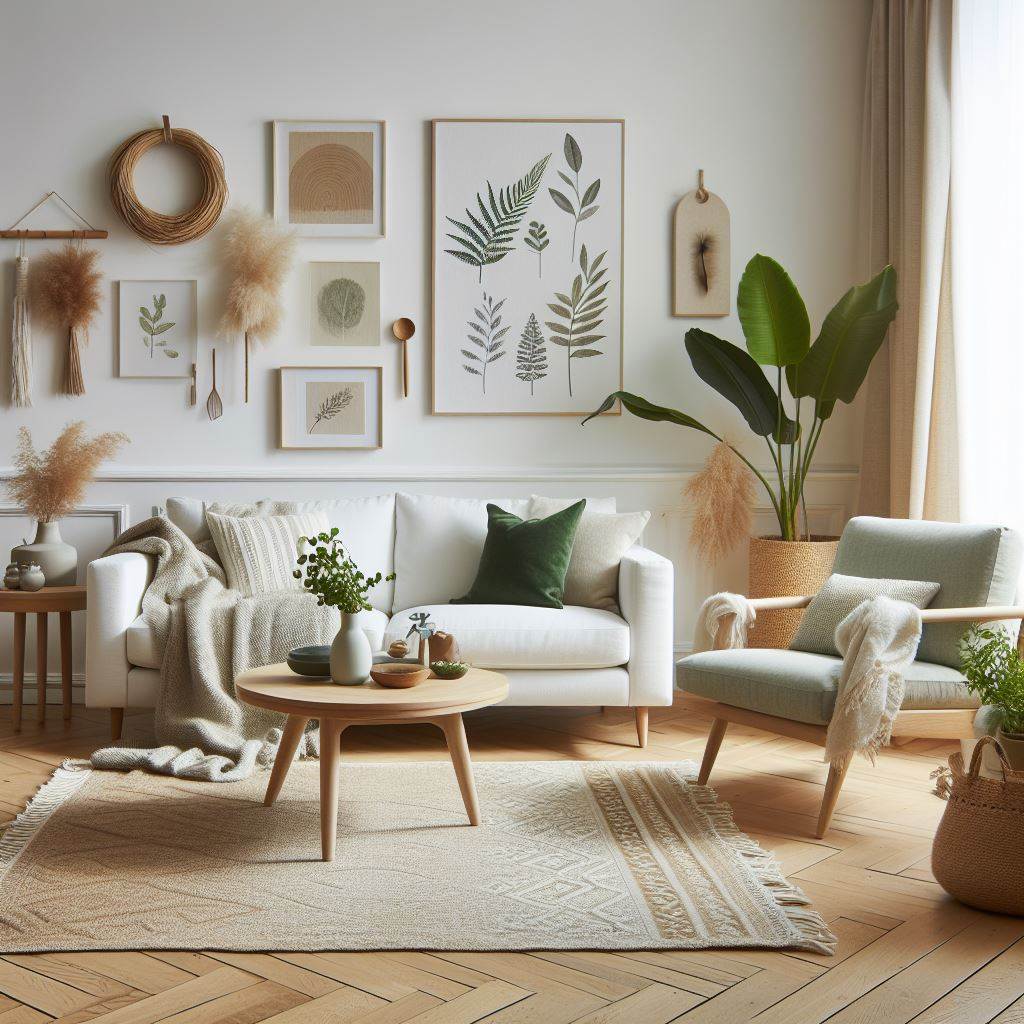
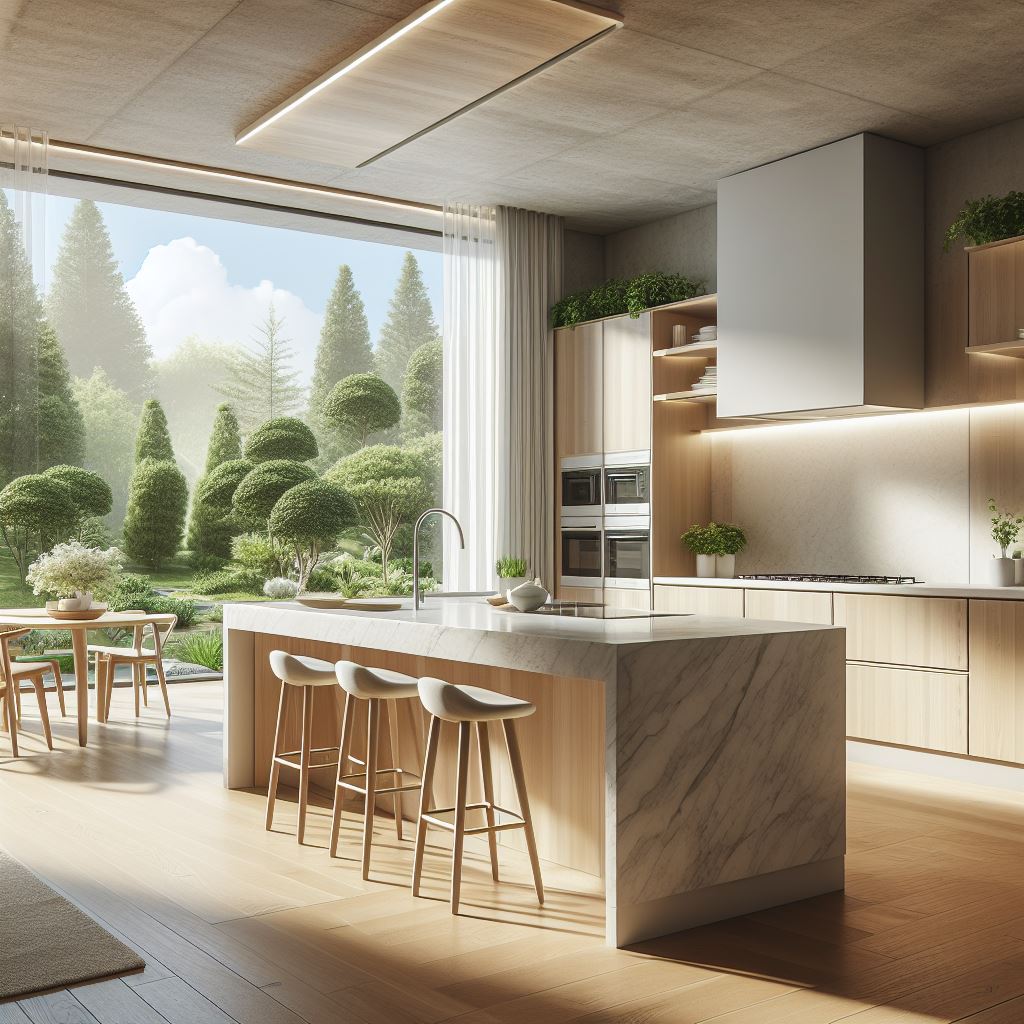
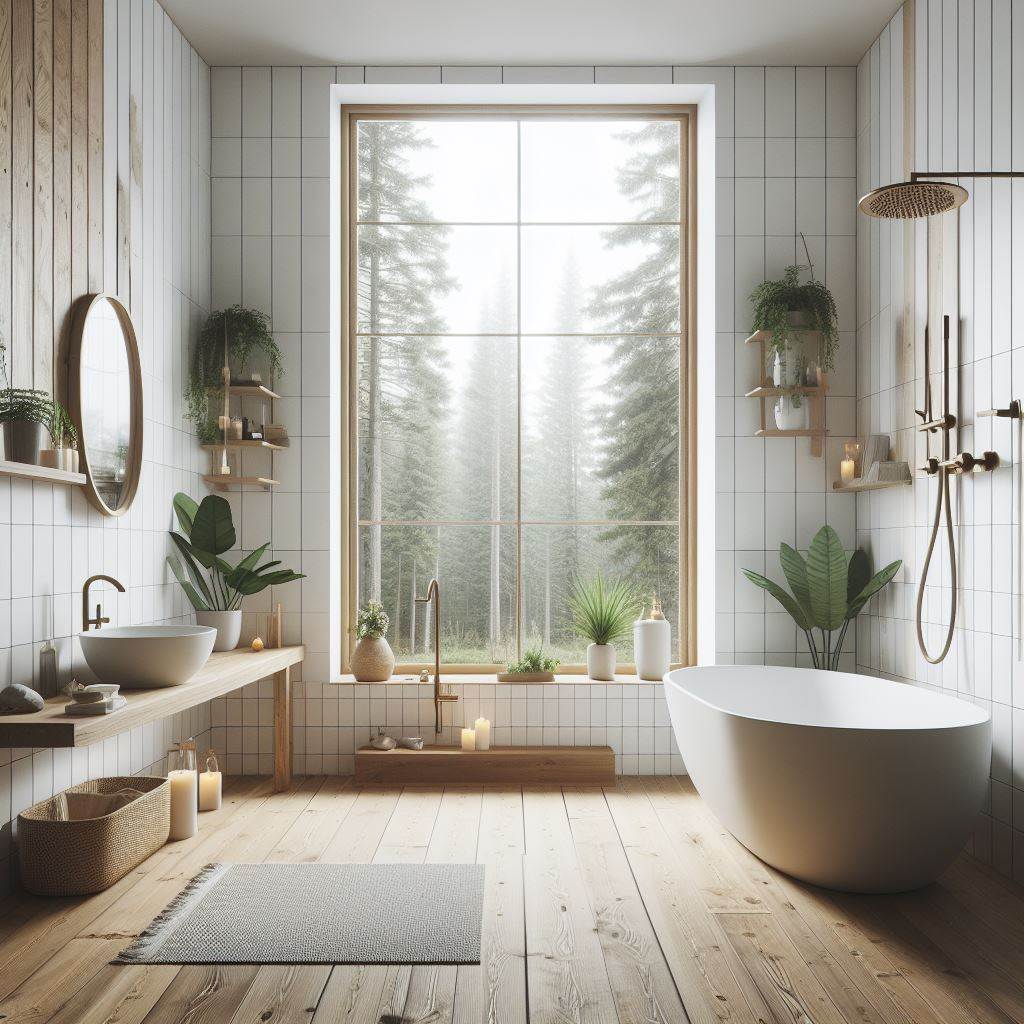
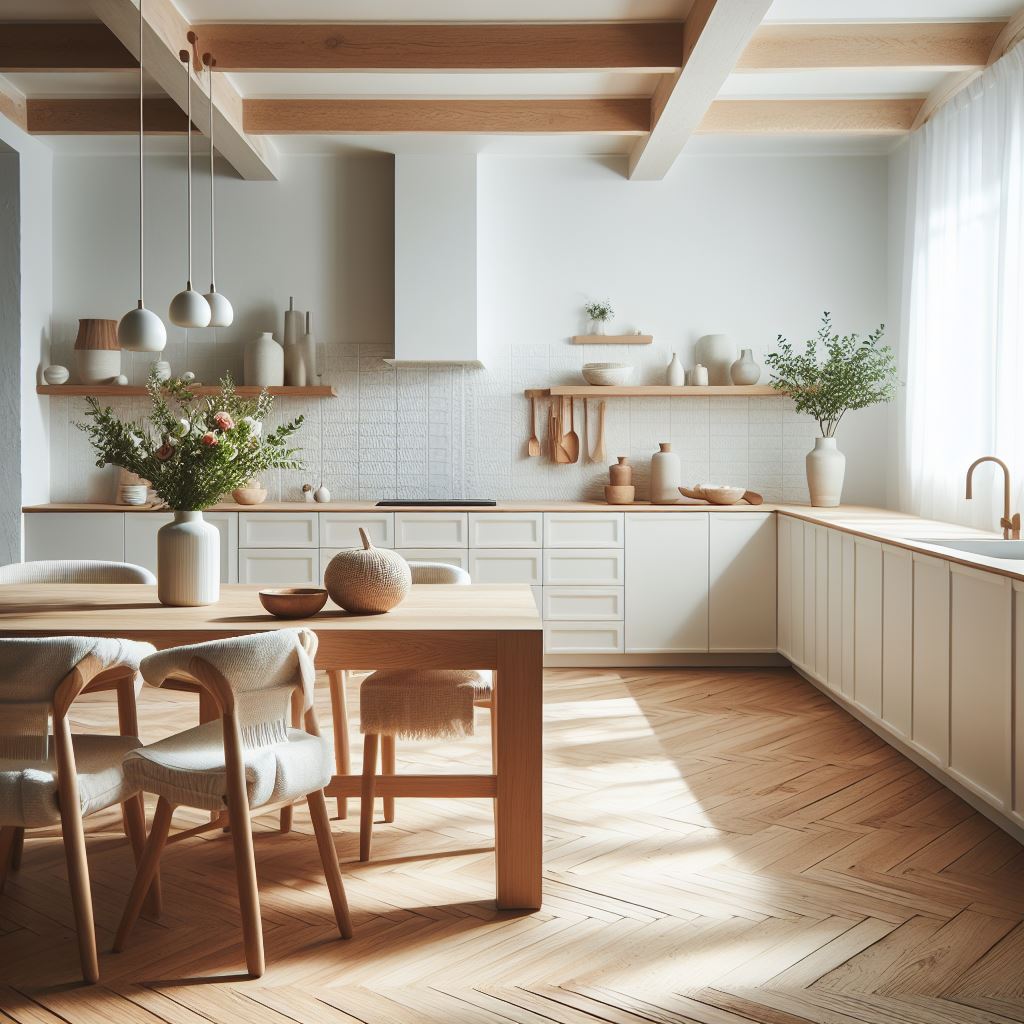
Scandinavian design is known for its simplicity, functionality, and minimalism.
Key features include:
- Clean lines and neutral colors
- Natural materials such as wood and stone
- Emphasis on light and airy spaces
- Prioritized functionality with minimal clutter
Japandi
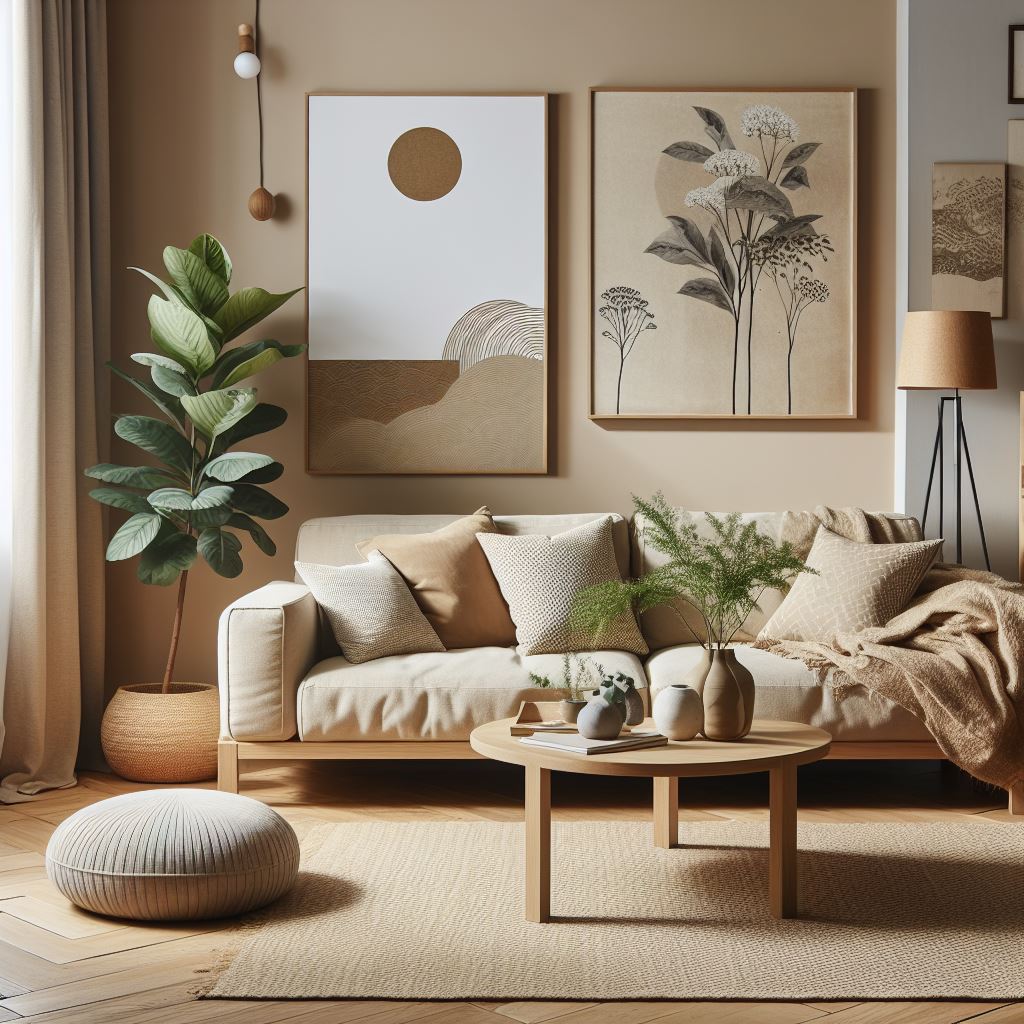
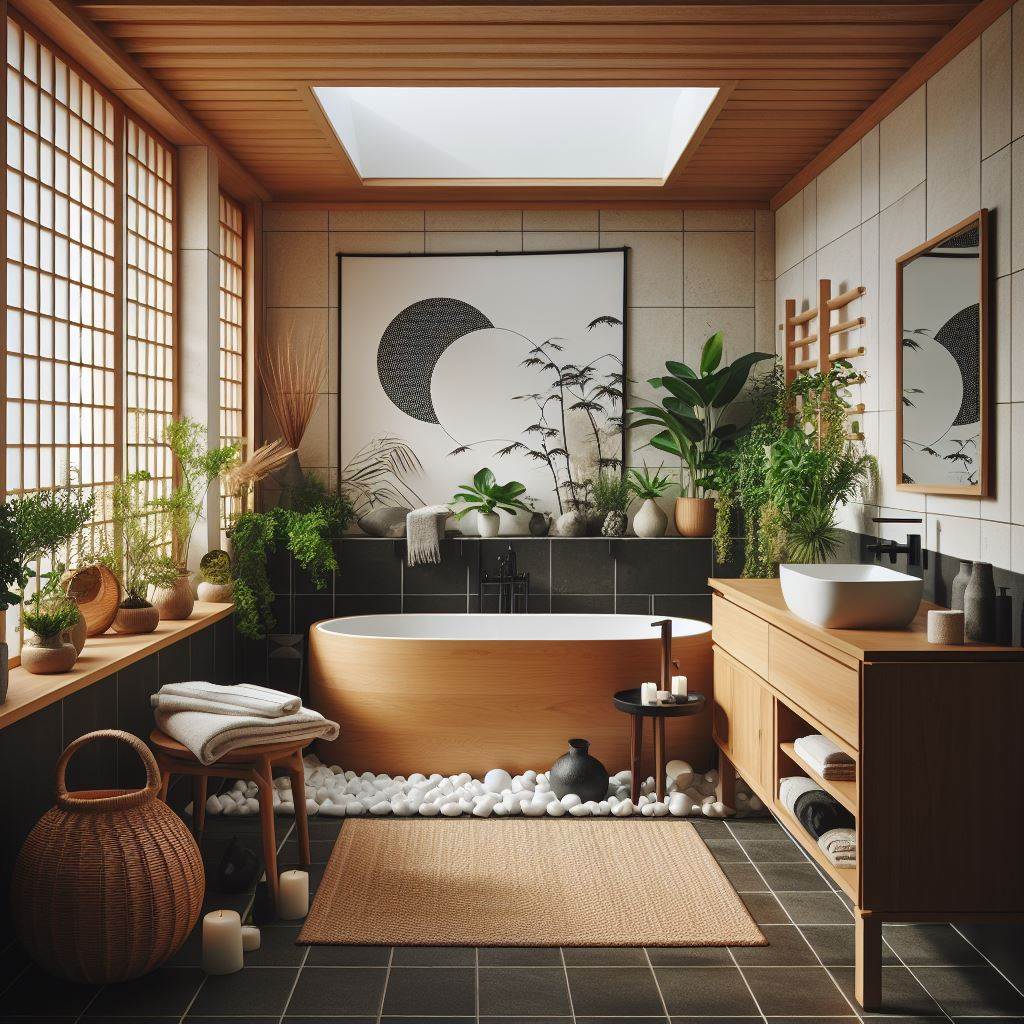
Japandi is a fusion of Japanese and Scandinavian design elements, creating a harmonious blend of simplicity, functionality, and warmth.
Key characteristics:
- Combines clean Scandinavian lines with traditional Japanese craftsmanship
- Strong connection to nature
- Neutral color palettes and natural materials
- Focus on creating calm and balanced environments
- Furniture featuring sleek Scandinavian design with organic Japanese shapes
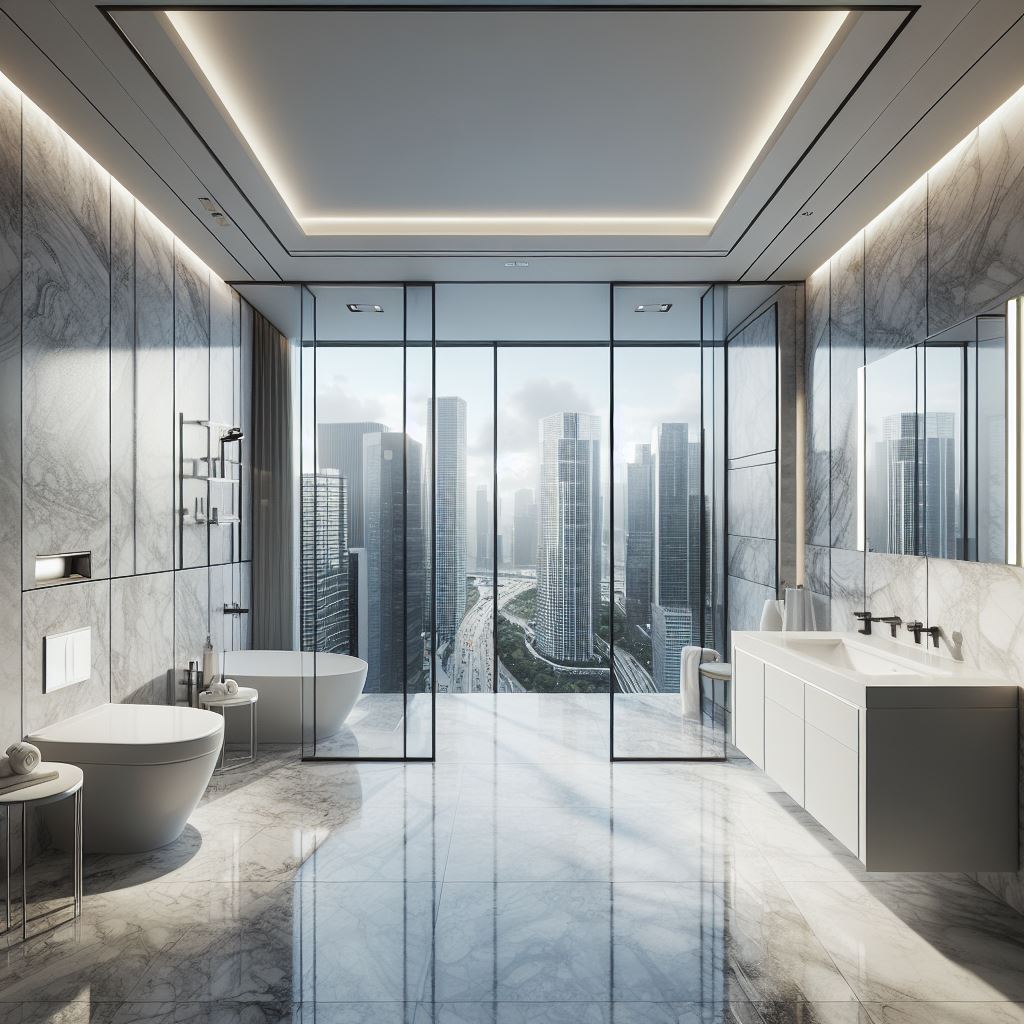
Modern
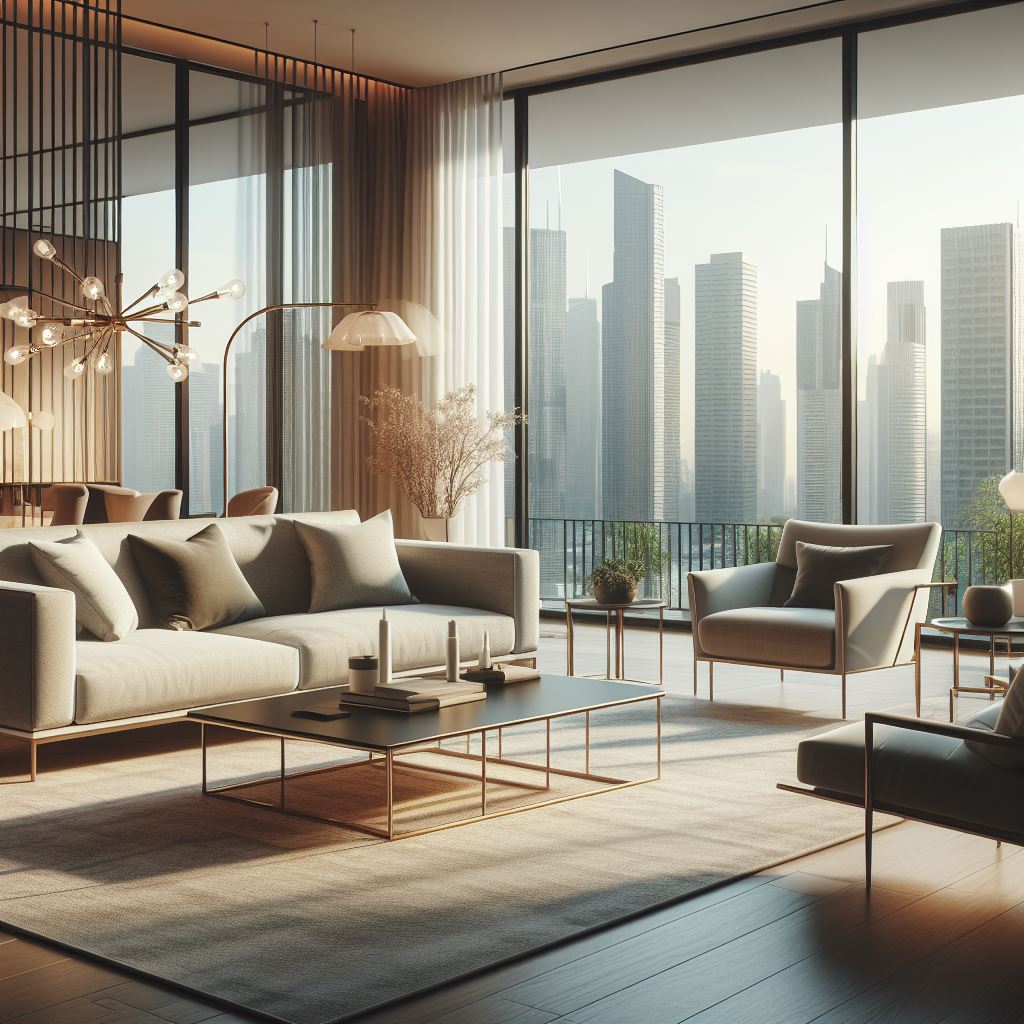
Often confused with contemporary design, modern style refers to a specific design era from the mid-20th century.
Key features:
- Clean lines and open spaces
- Focus on functionality
- Use of materials like steel, glass, and concrete
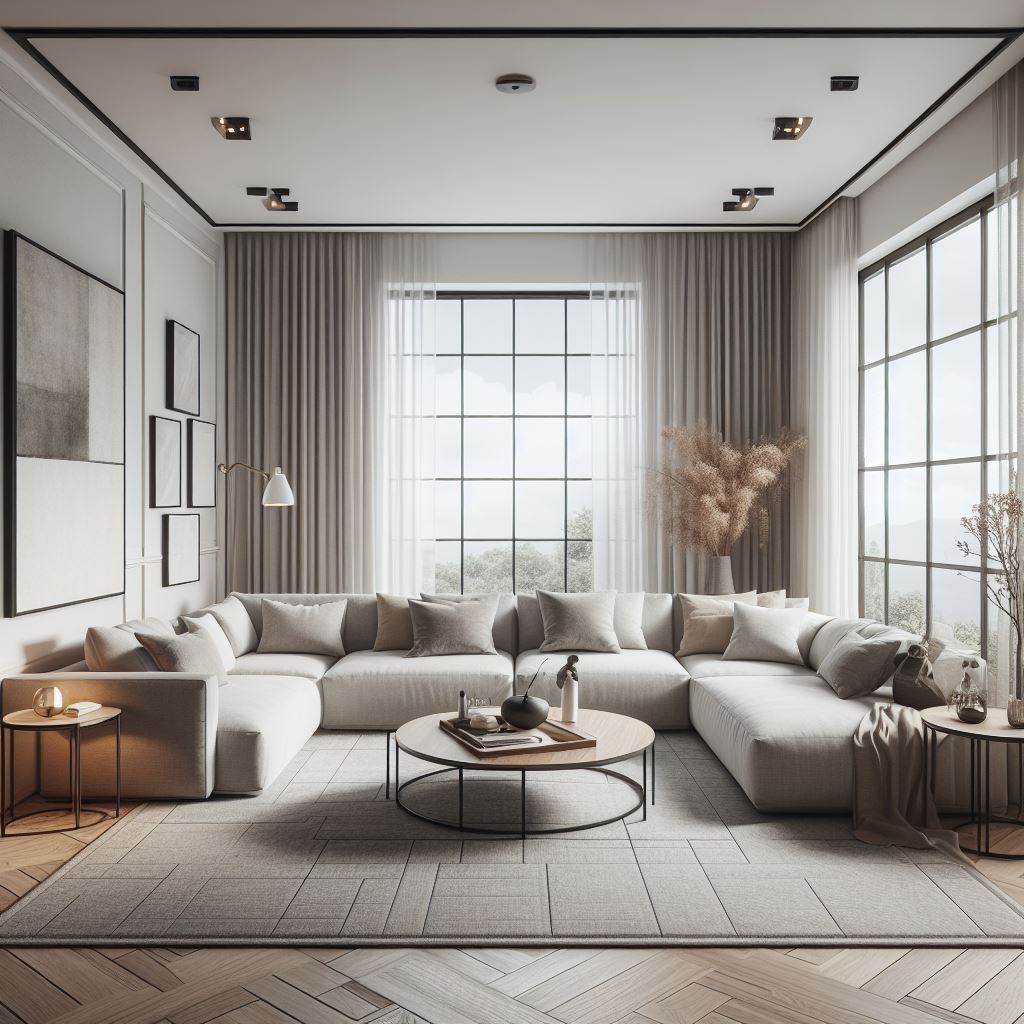
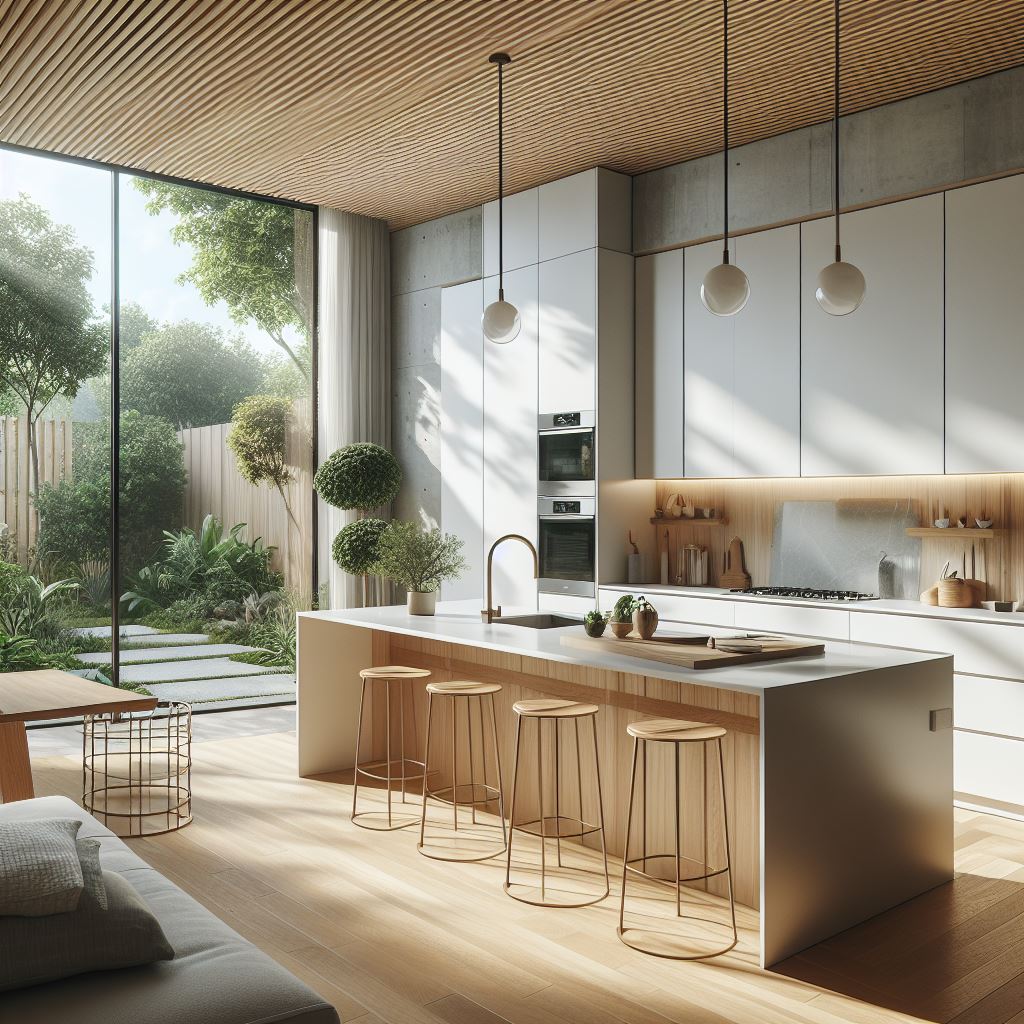
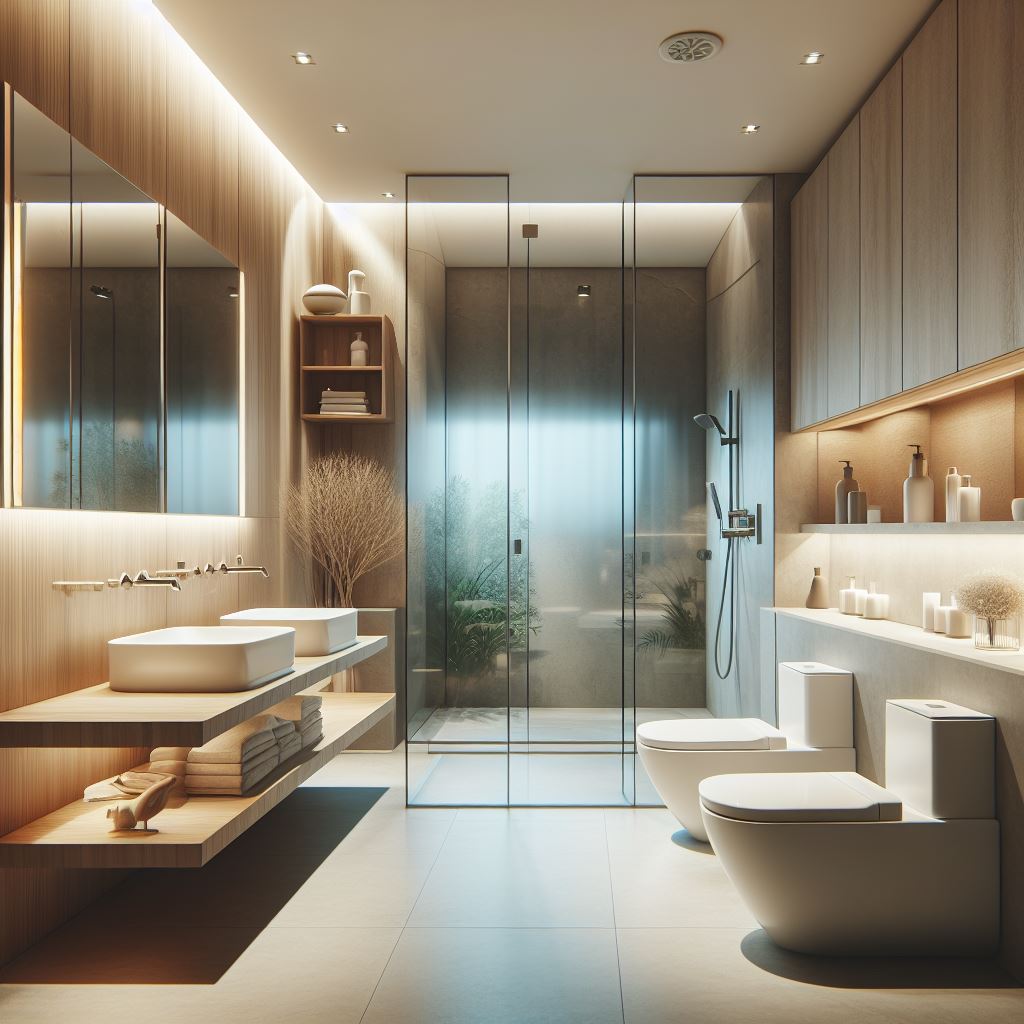
Contemporary
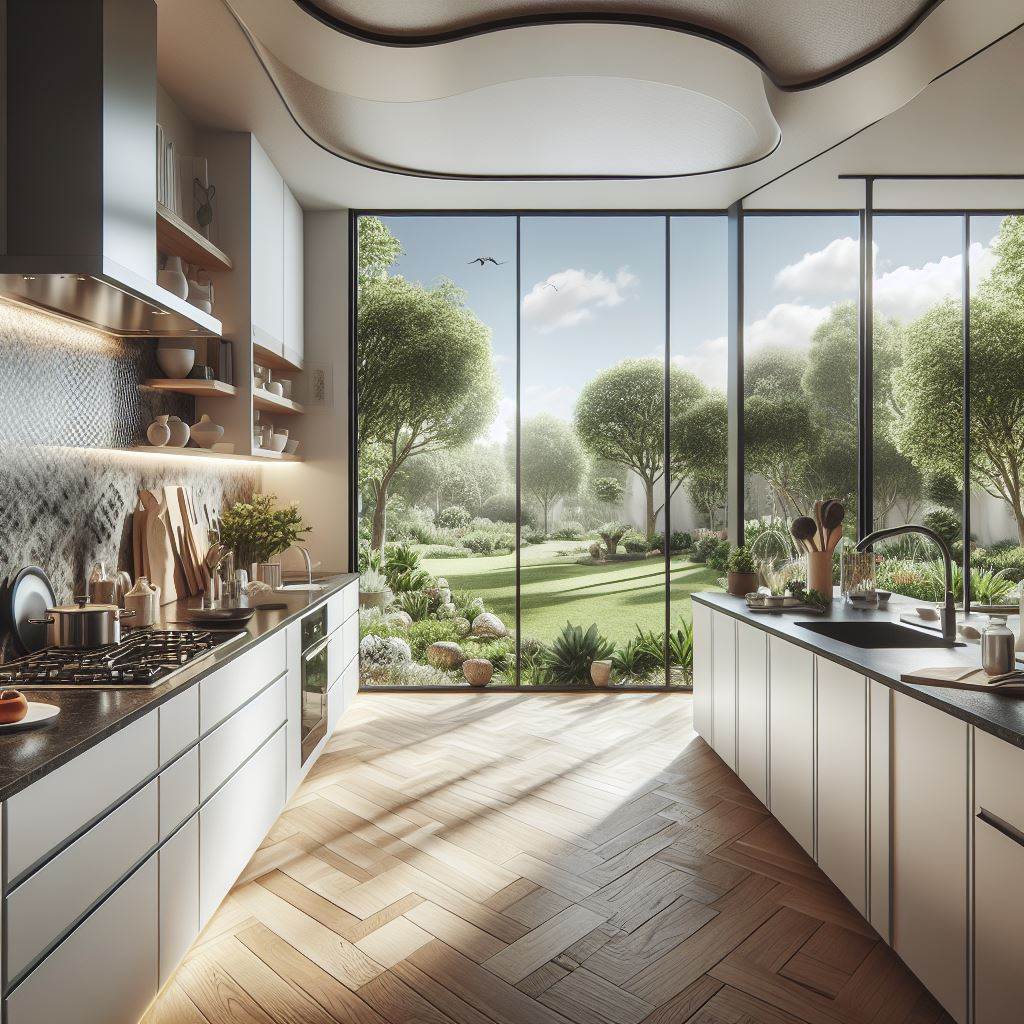
Key characteristics:
- Emphasizes clean lines, simplicity, and minimal ornamentation
- Neutral color palettes with occasional bold accent colors
- Innovative materials and modern furniture designs
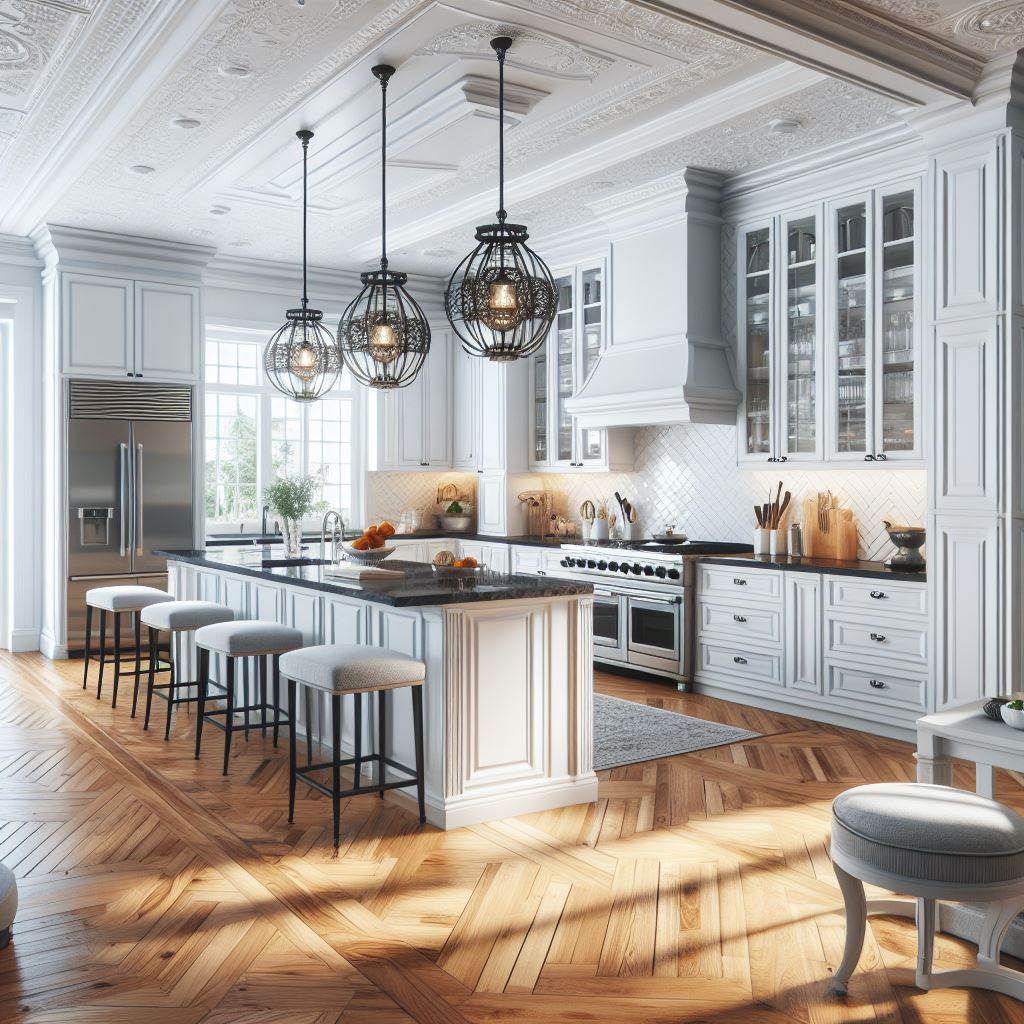
Transitional
Key features:
- Strikes a balance between traditional and contemporary styles
- Classic furniture shapes paired with modern finishes and accessories
- Neutral color palettes with occasional pops of color
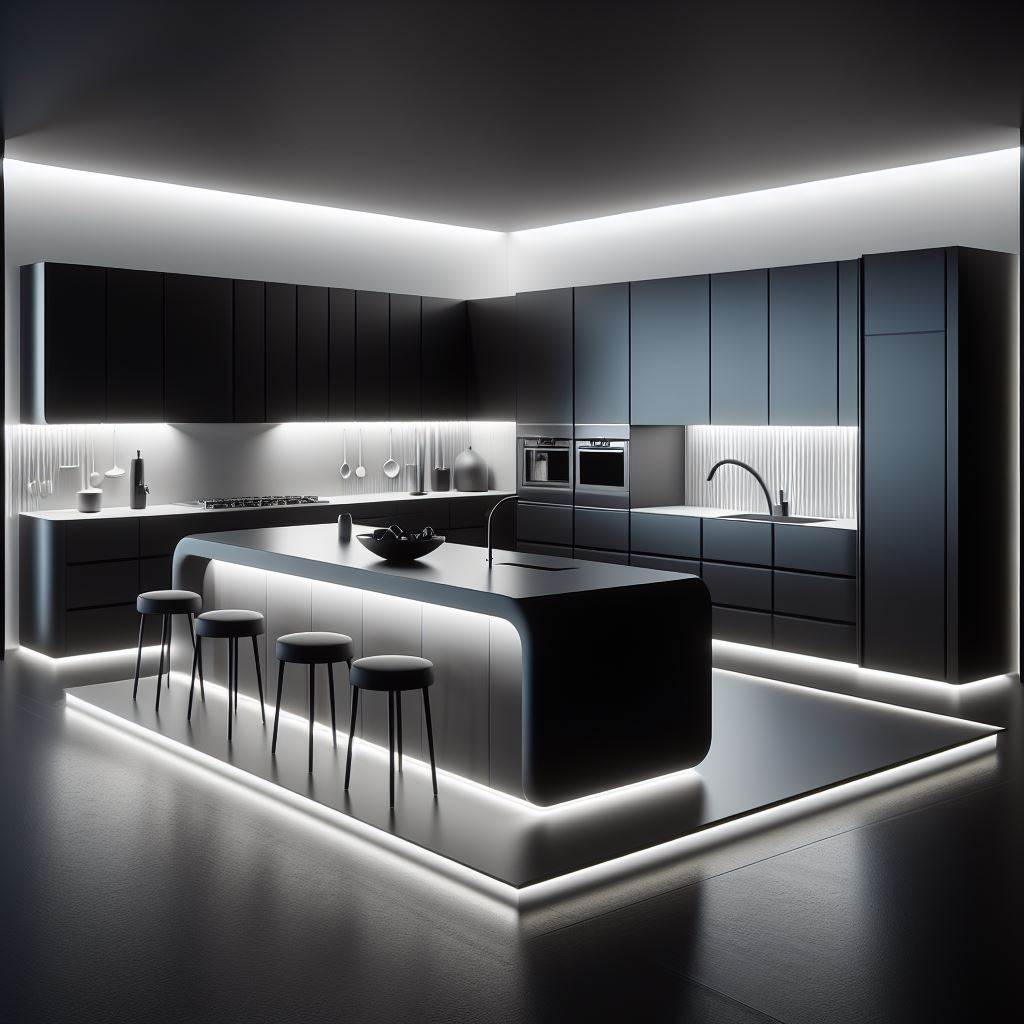
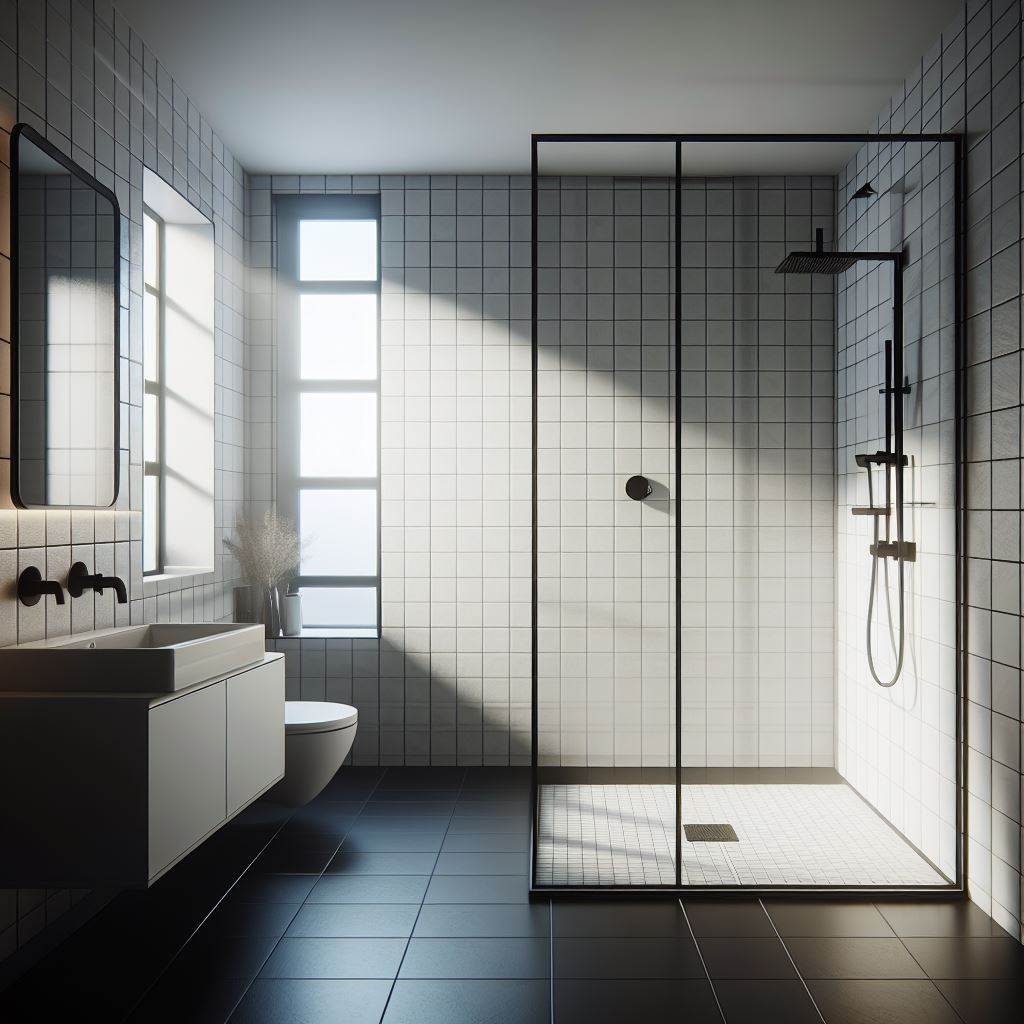
Minimalist
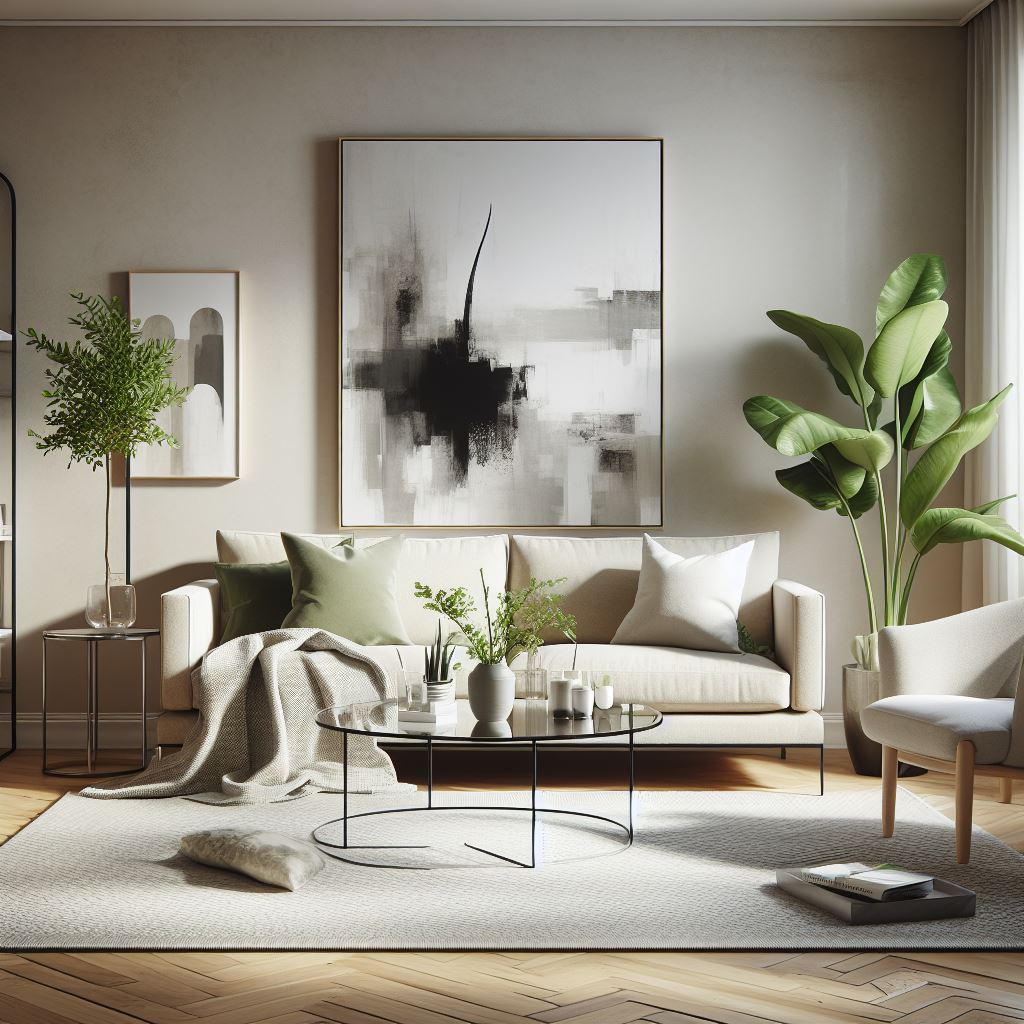
Key principles:
- Strives for simplicity and elimination of unnecessary elements
- Neutral color palettes, clean lines, and functional focus
- Clutter-free spaces that promote a sense of calm
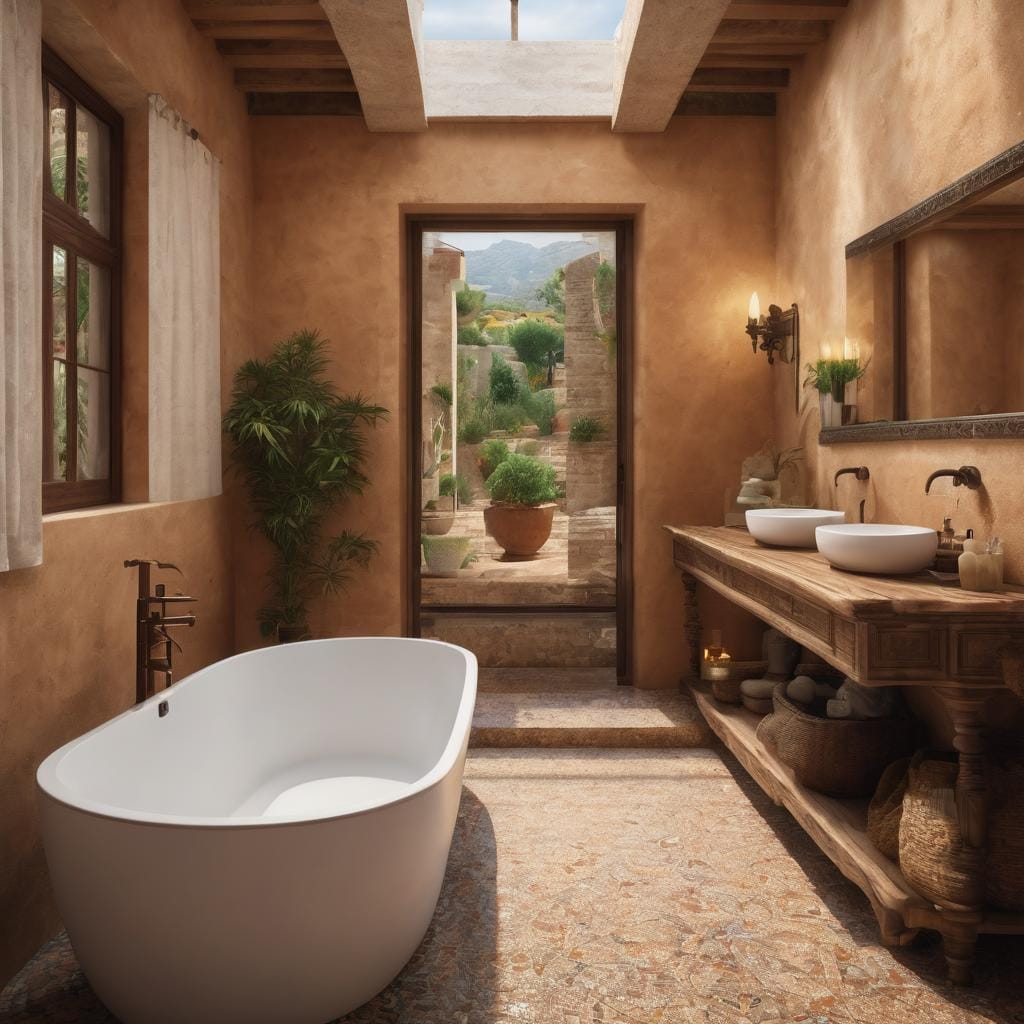
Mediterranean
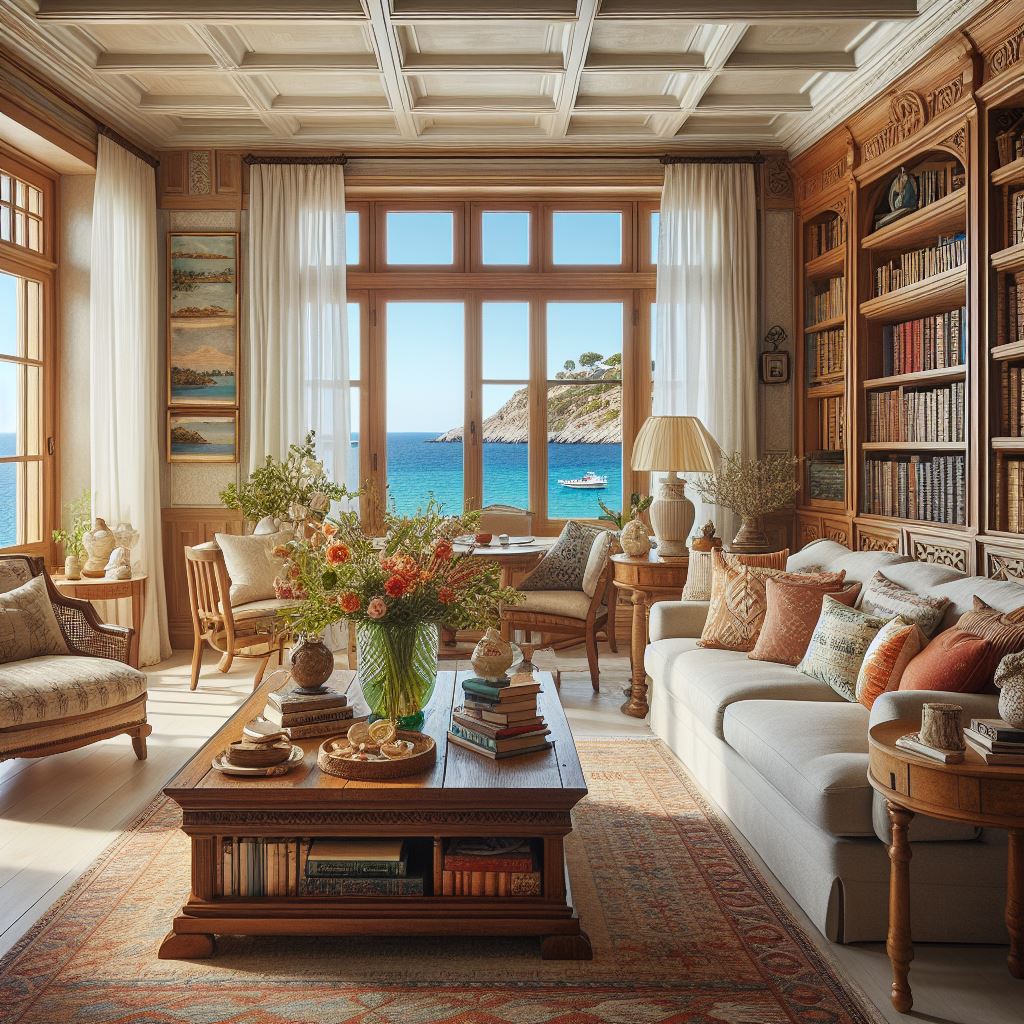
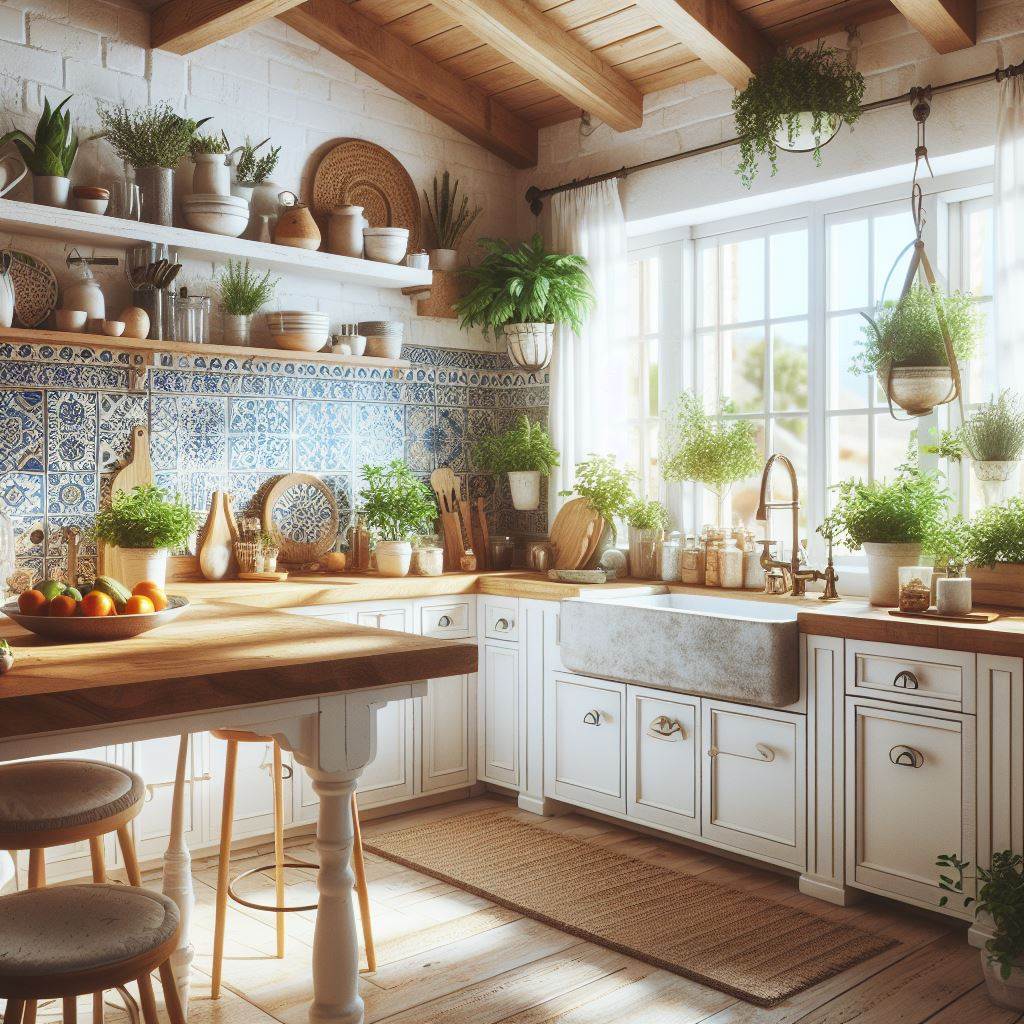
Key elements:
- Warm colors, textured walls, and rustic elements
- Use of wrought iron, terracotta, and vibrant patterns
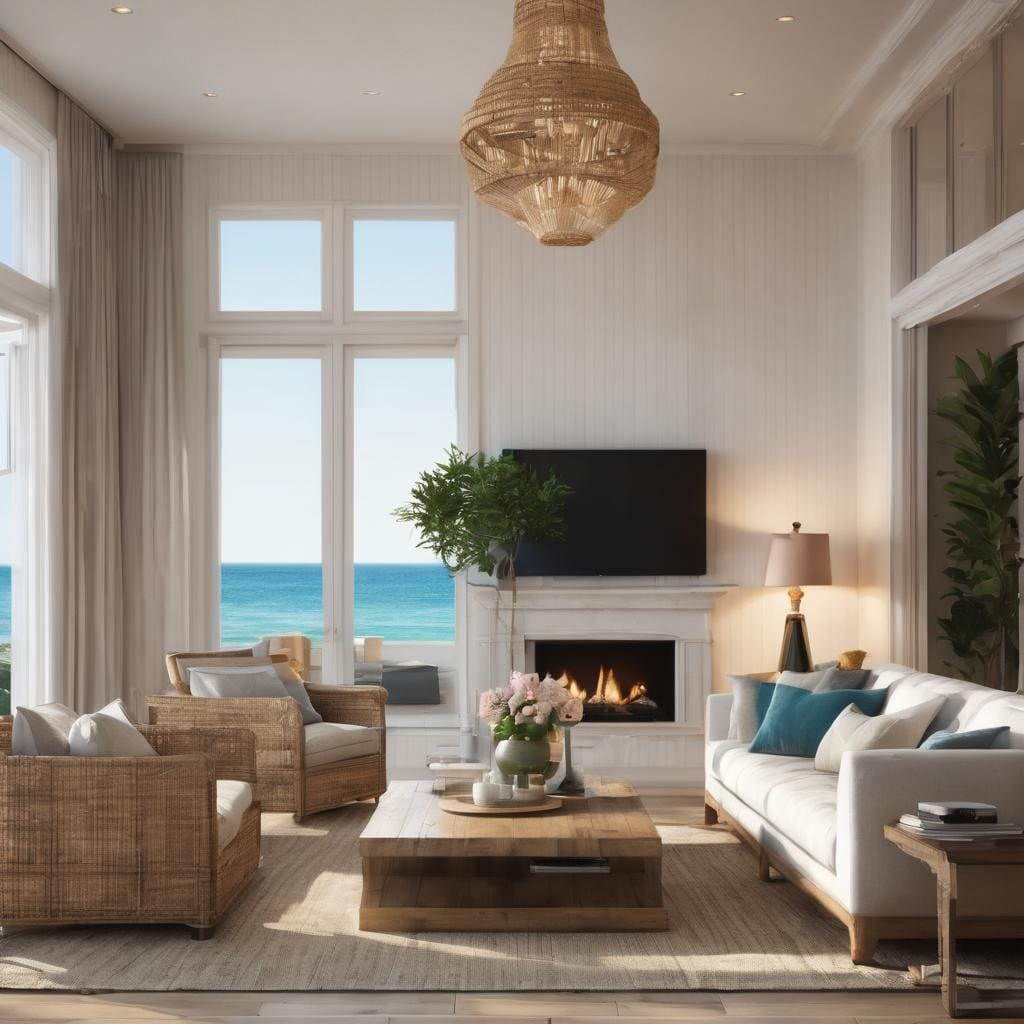
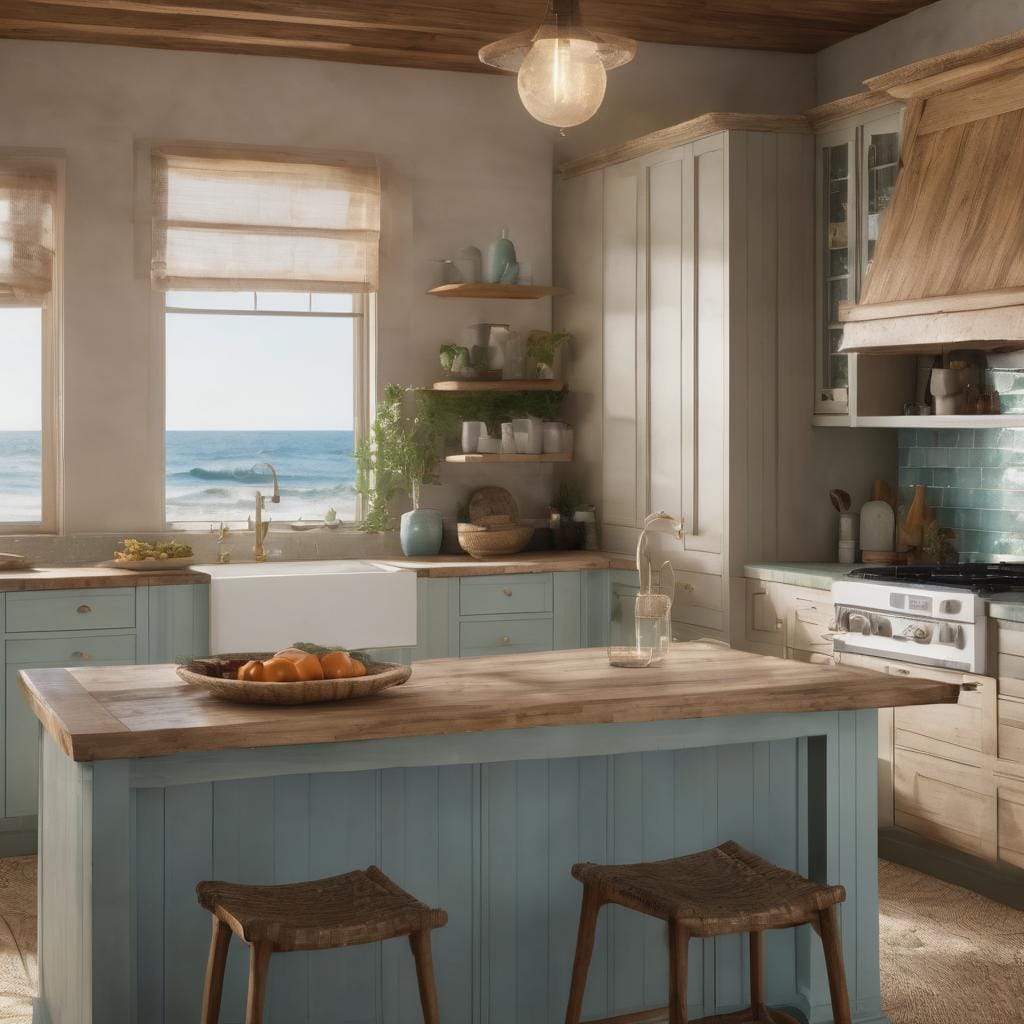
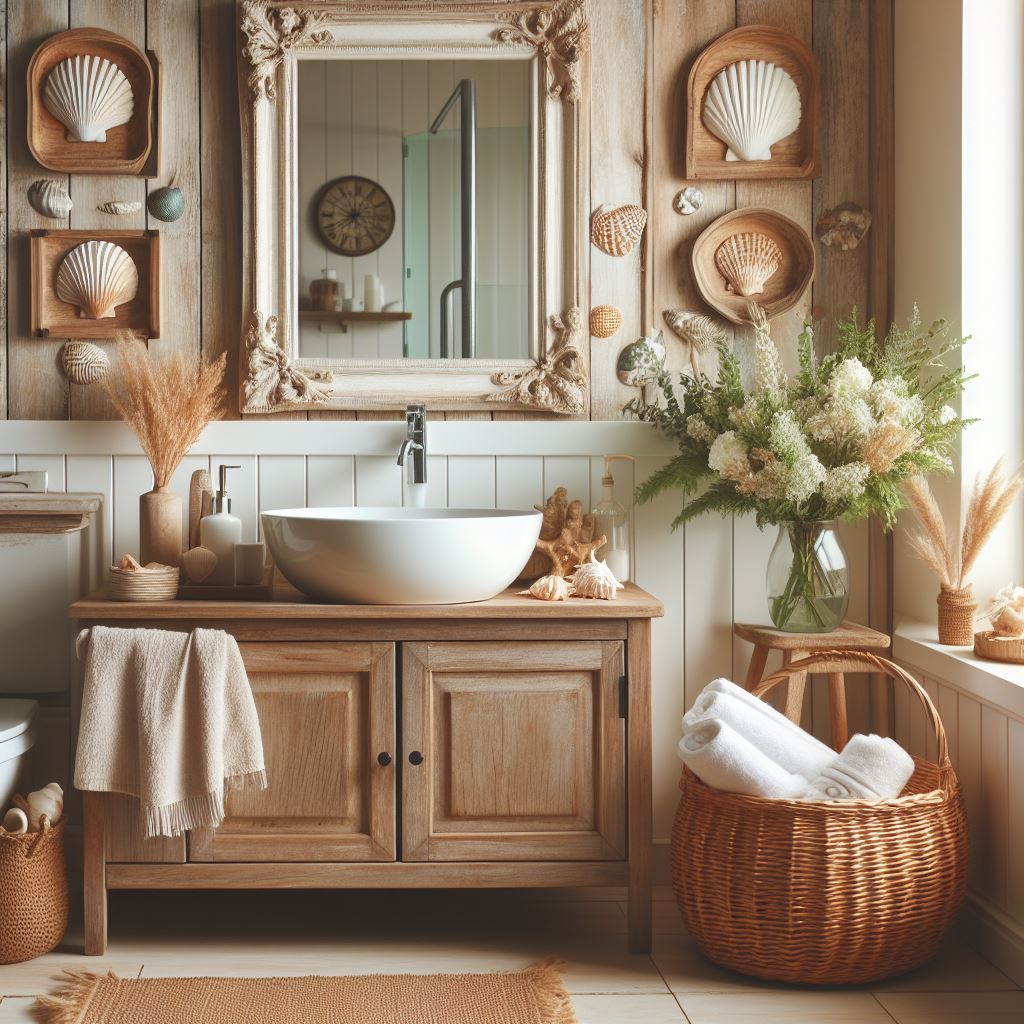
Coastal
Inspired by beach and seaside living. Light and breezy colors, such as blues and whites. Natural materials like wood and rattan, as well as nautical motifs.
Mid-century
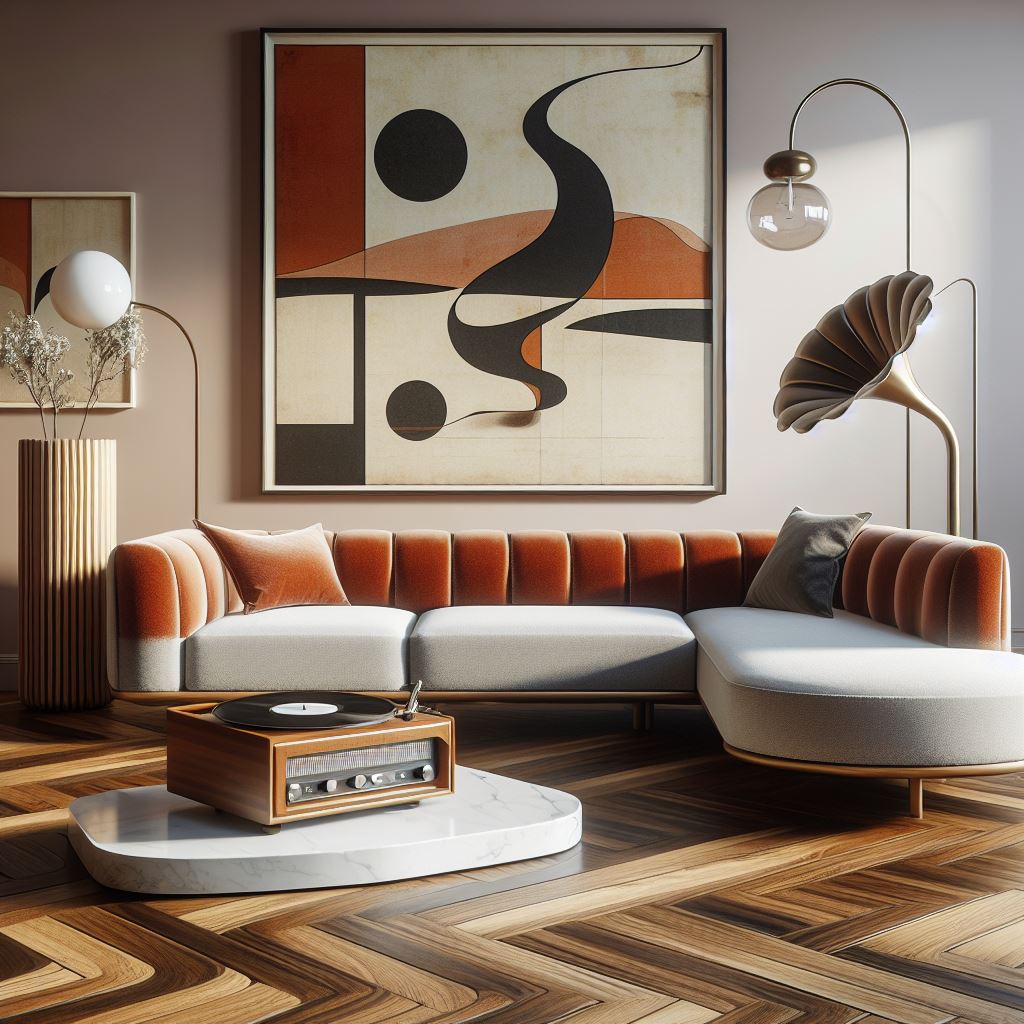
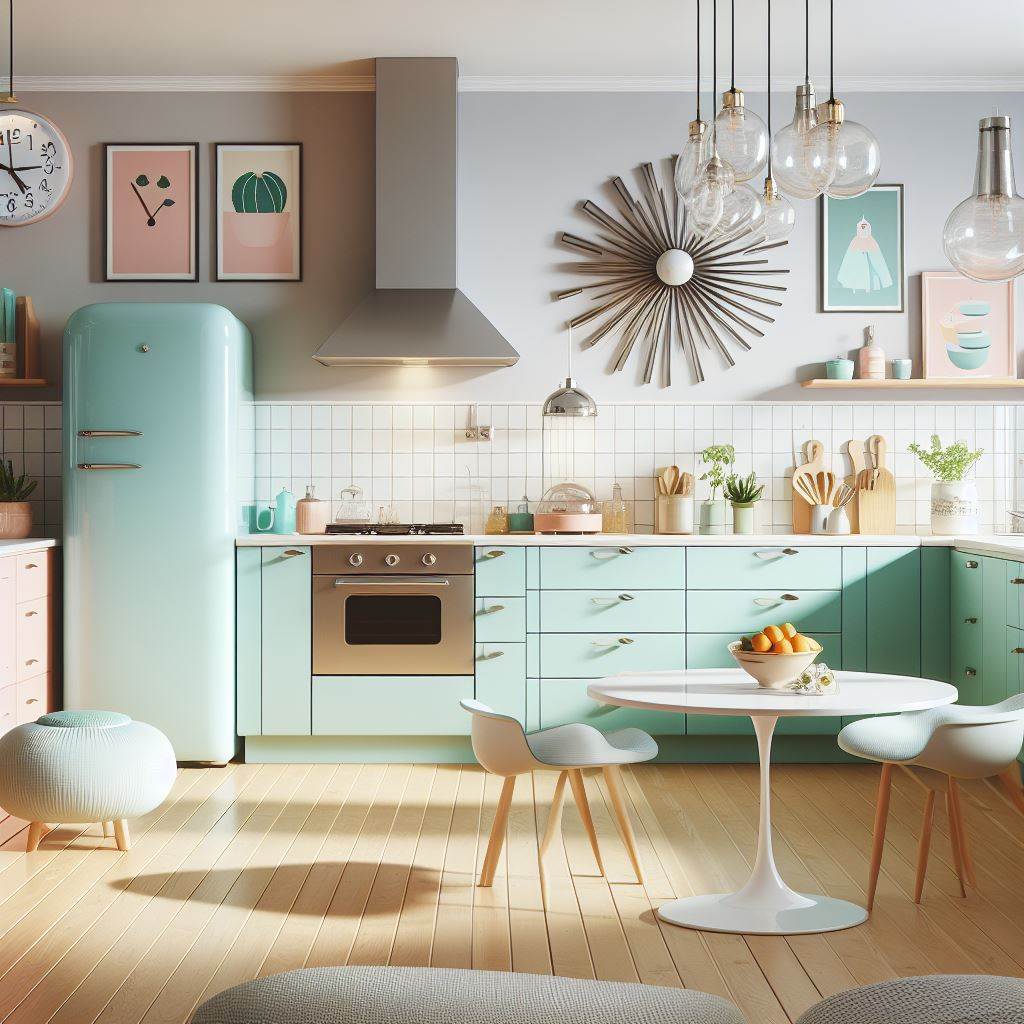
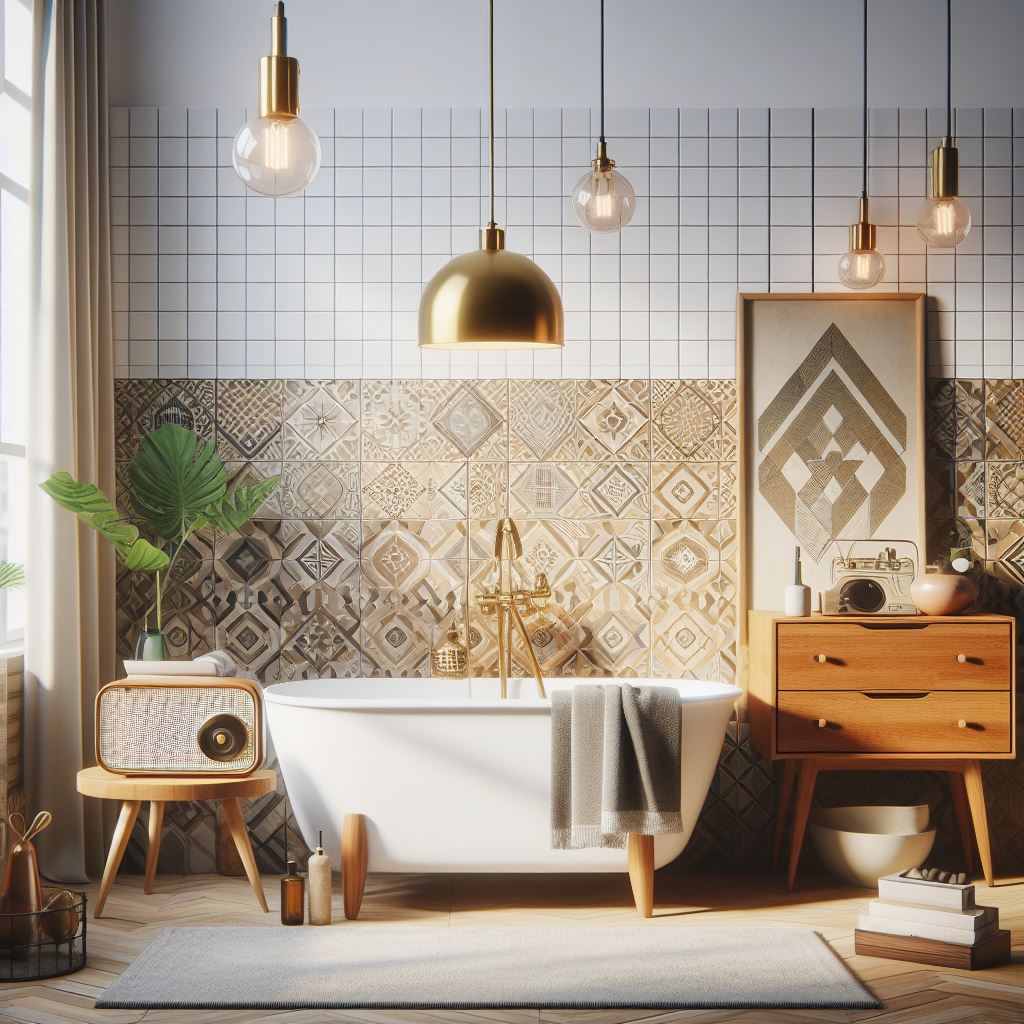
Mid-century modern design is characterized by clean lines, simplicity, and a focus on functionality. Organic shapes and the use of natural materials like wood are common.
Bold and vibrant colors, including earth tones, are often used.
Iconic furniture designs, such as the Eames Lounge Chair, are hallmarks of mid-century modern style.
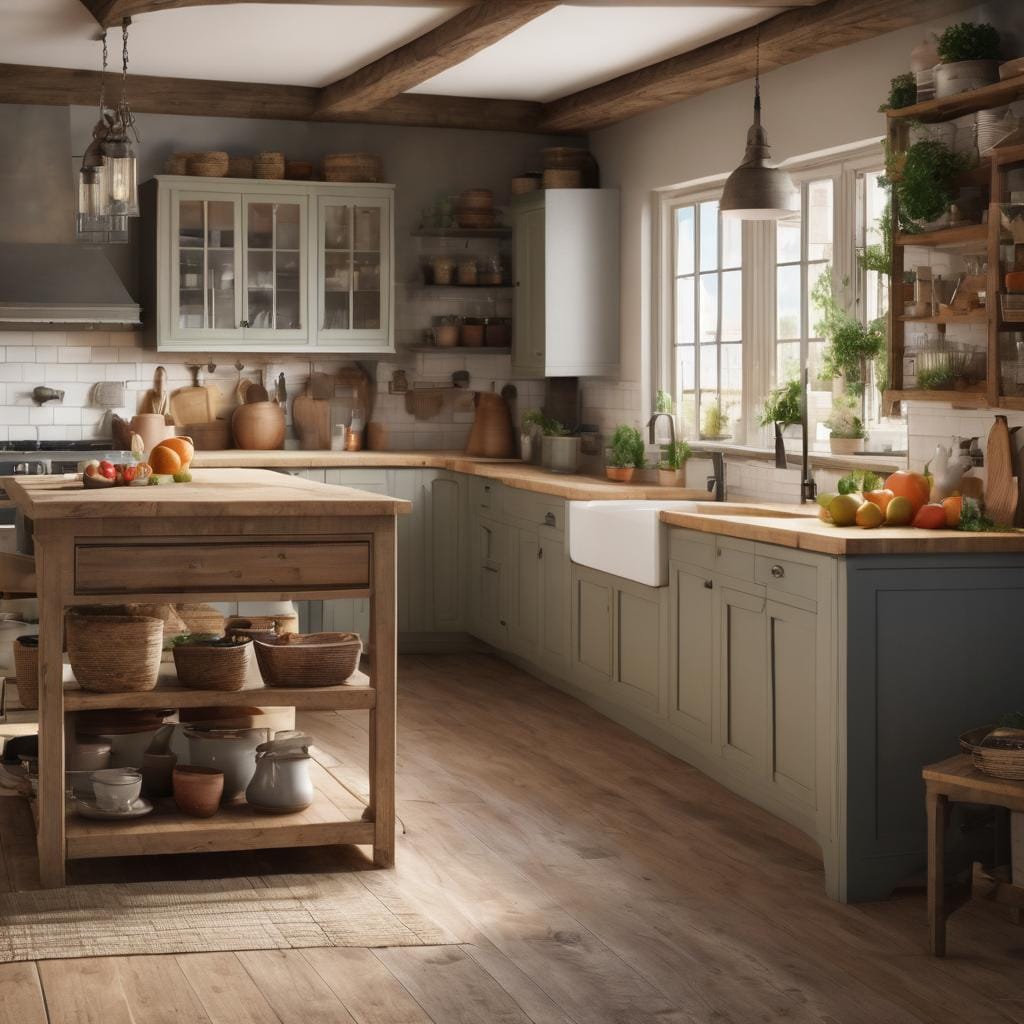
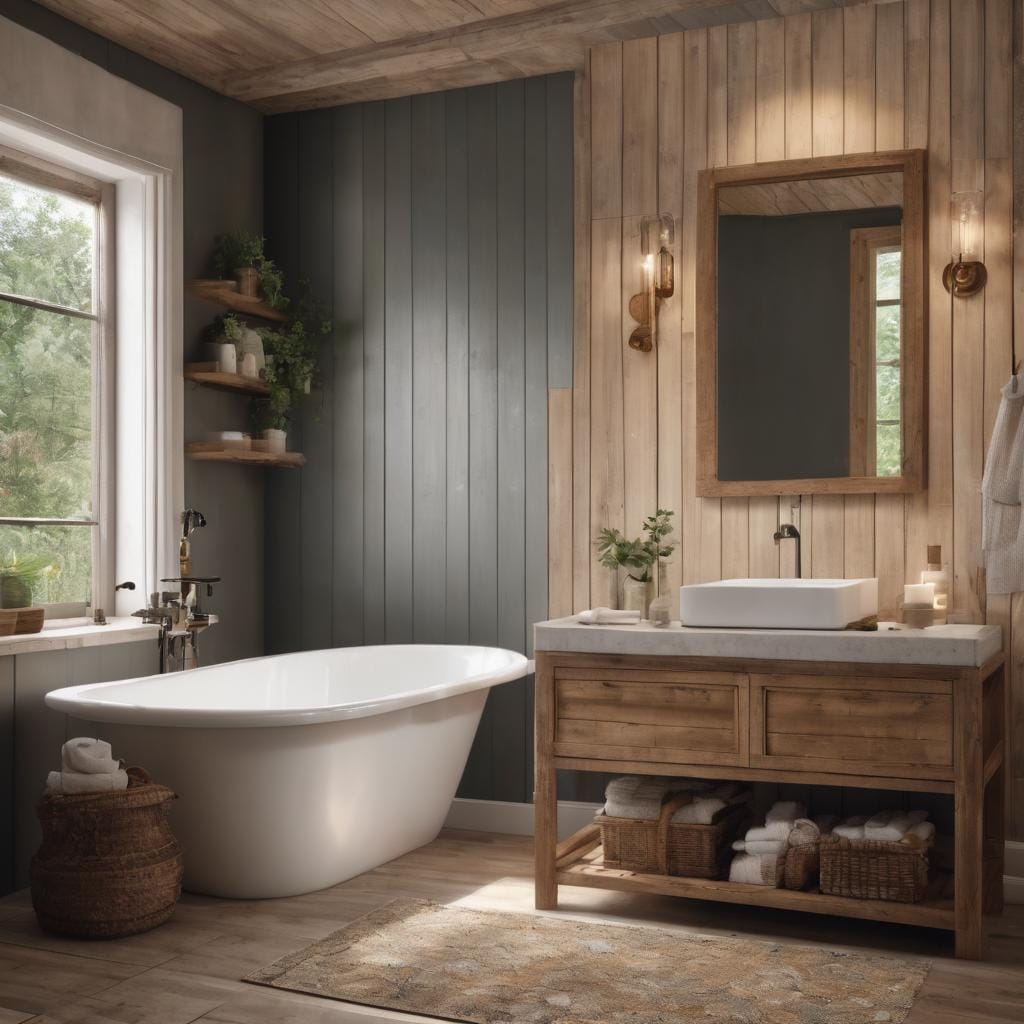
Farmhouse
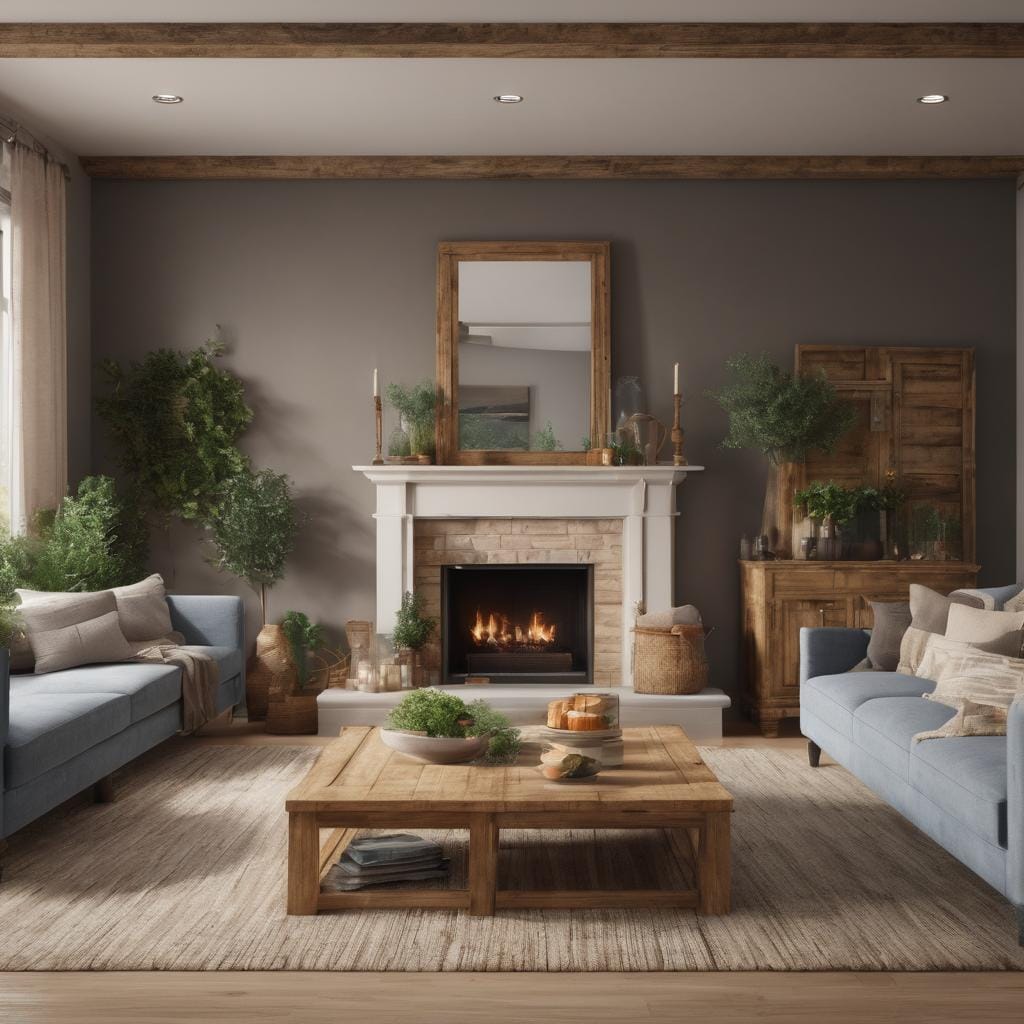
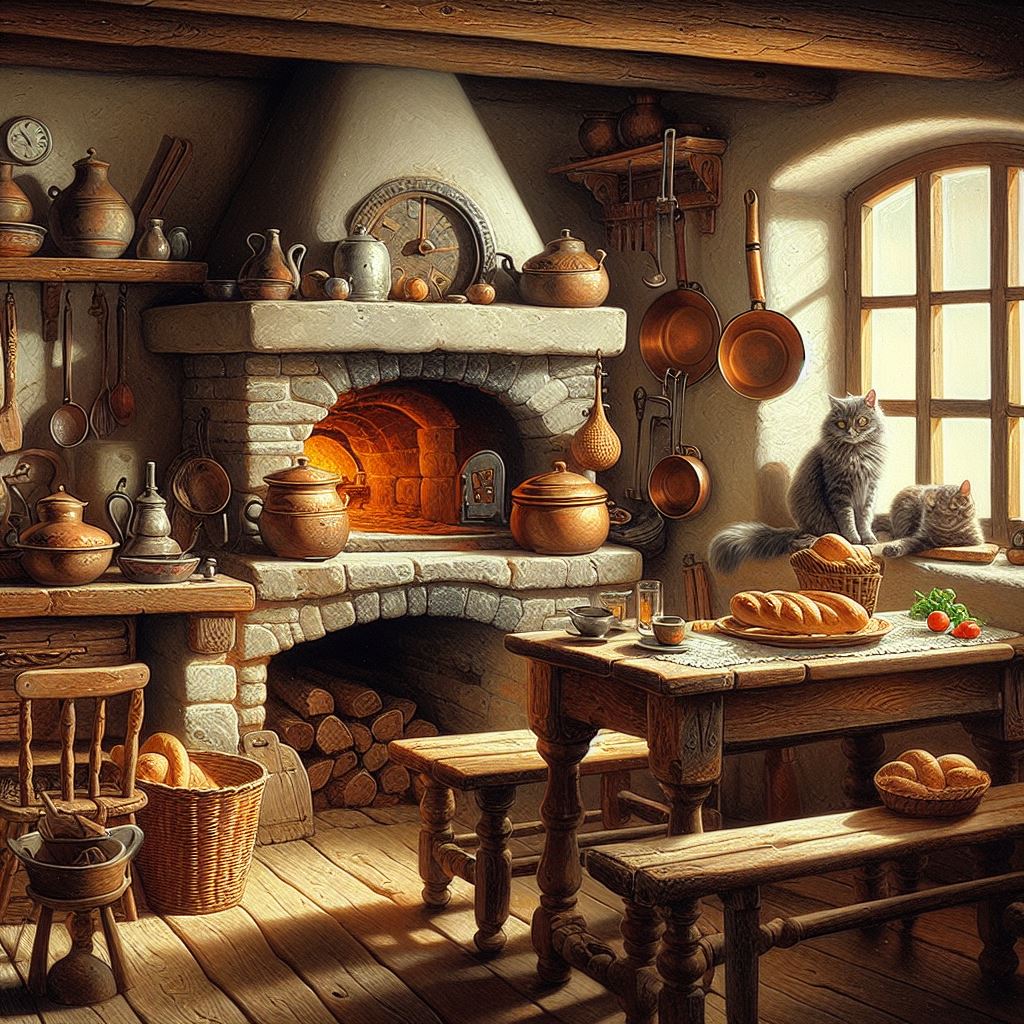
Embraces a cozy, country-inspired aesthetic. Natural materials, exposed wood, and vintage furnishings. Warm and inviting atmosphere.
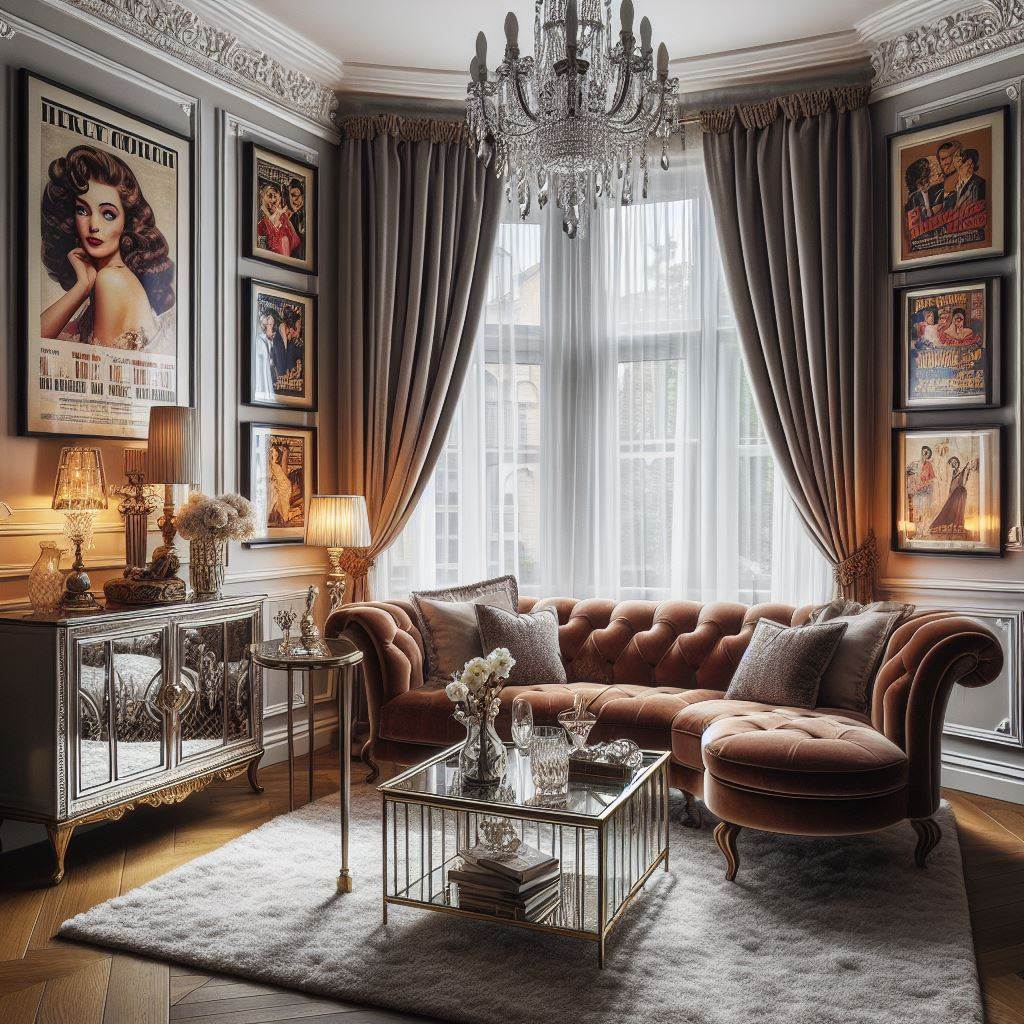
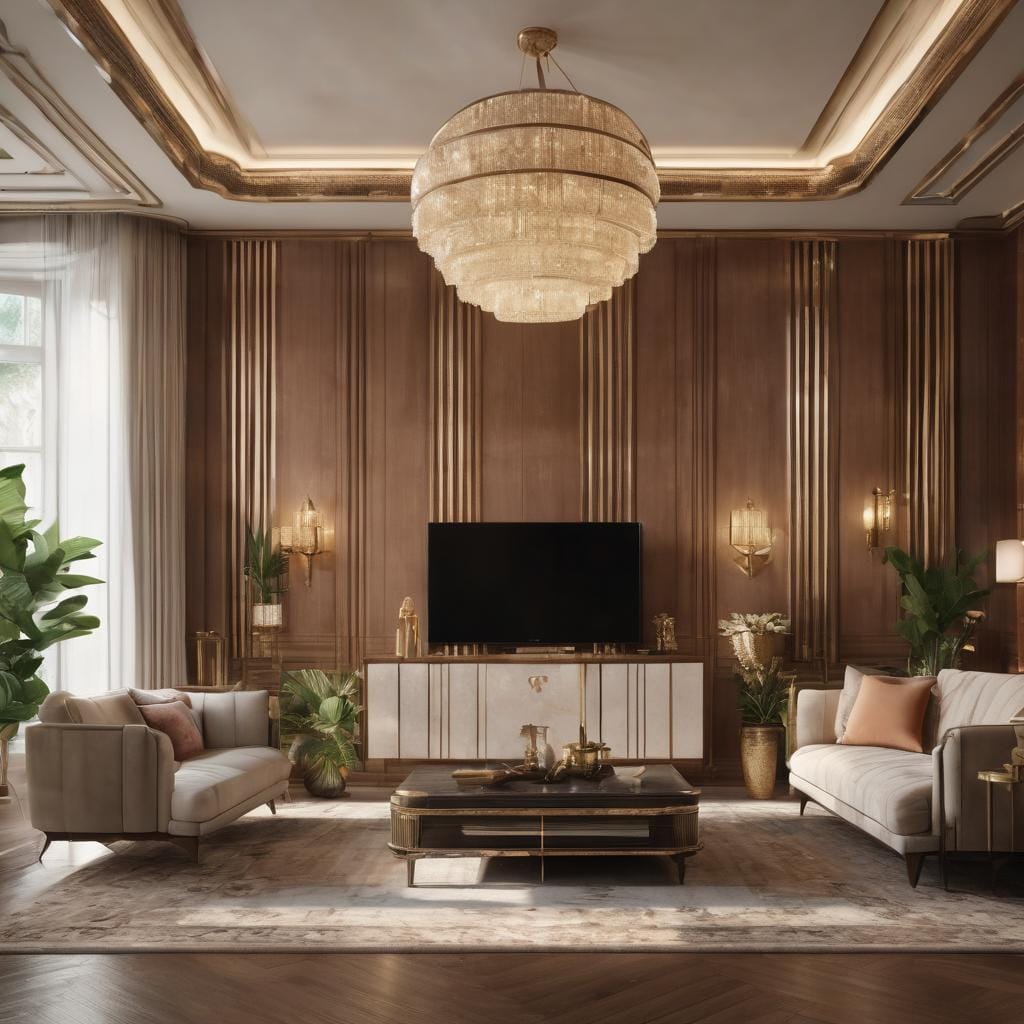
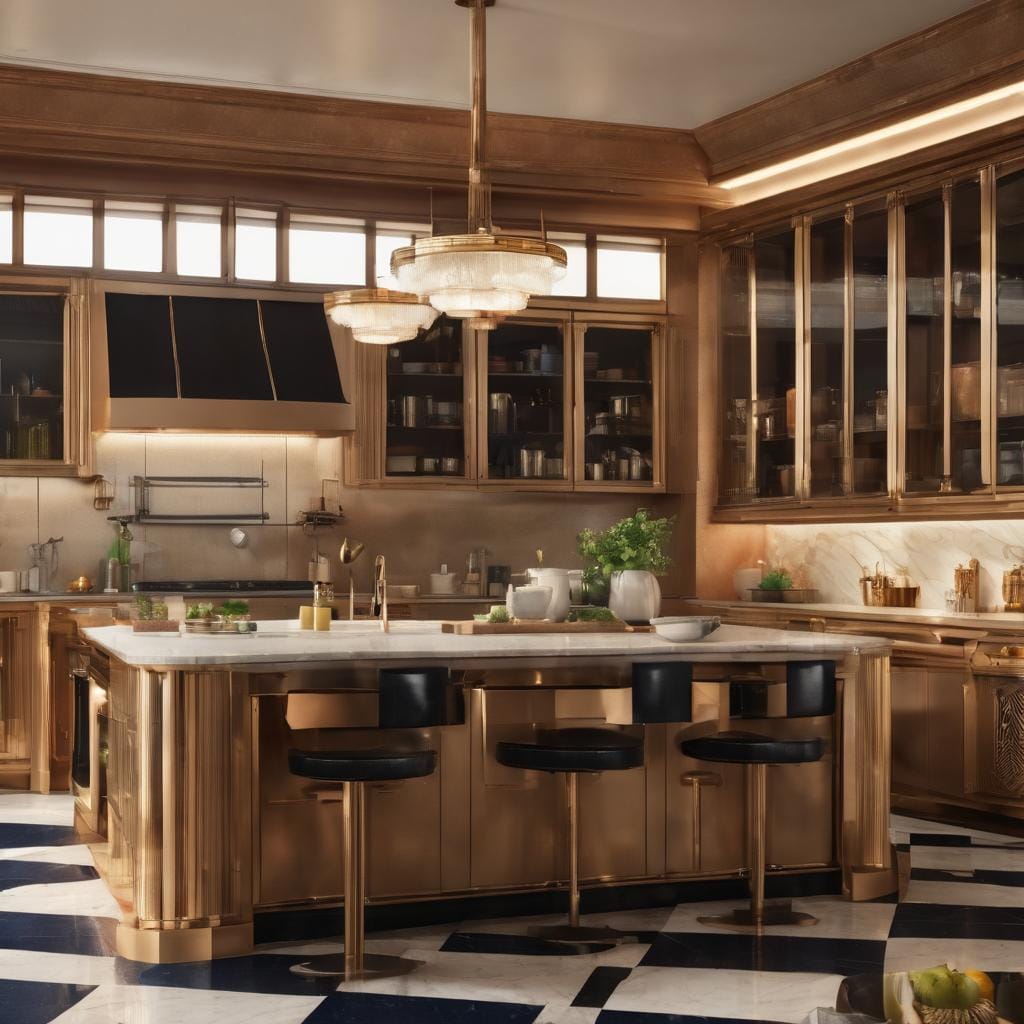
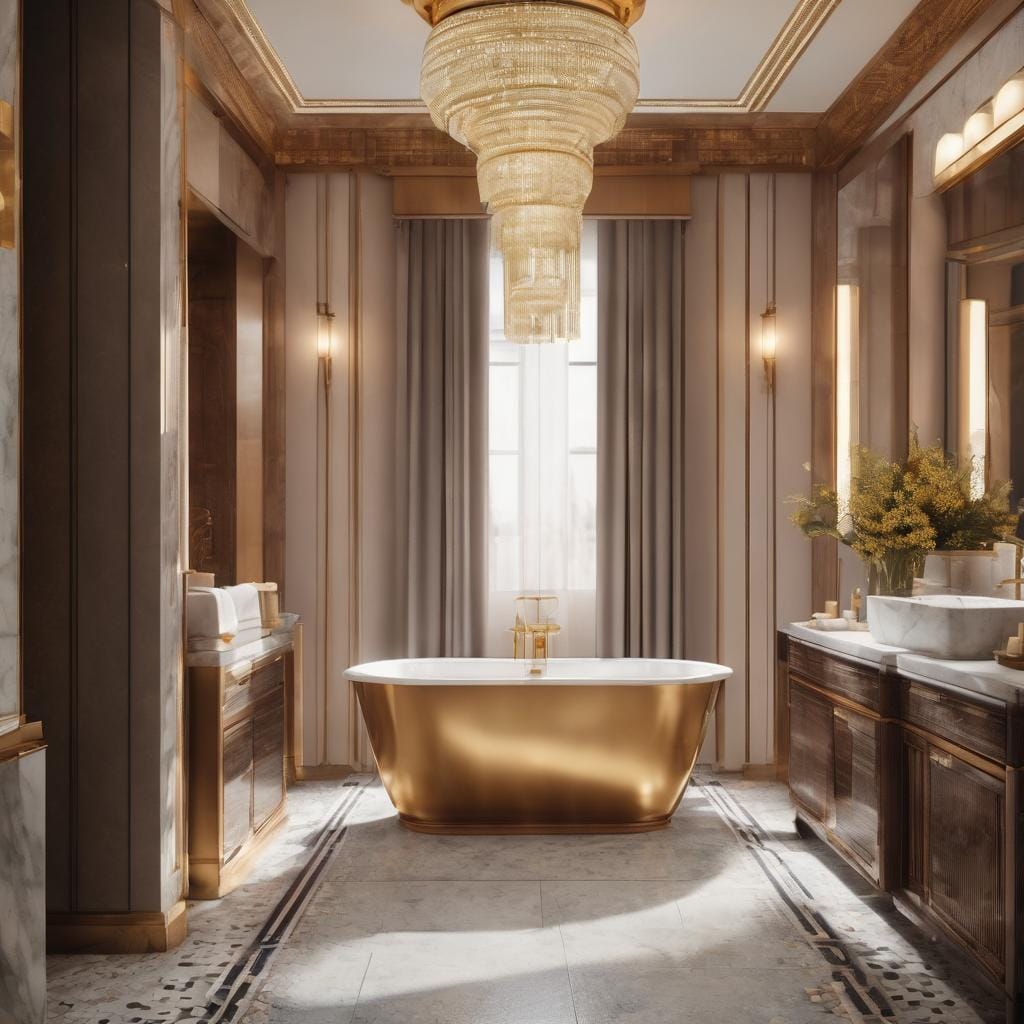
Hollywood Glam
A blend of Art Deco and mid-century modern.
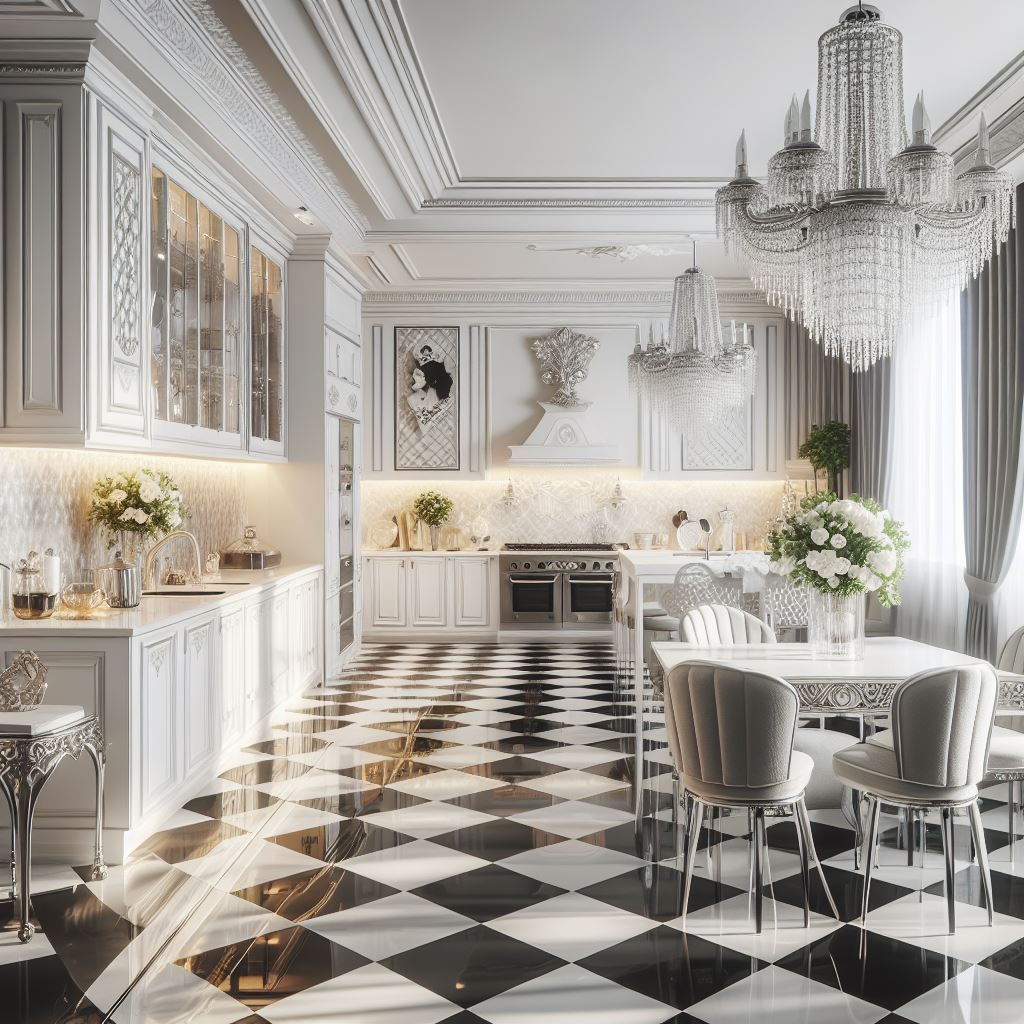
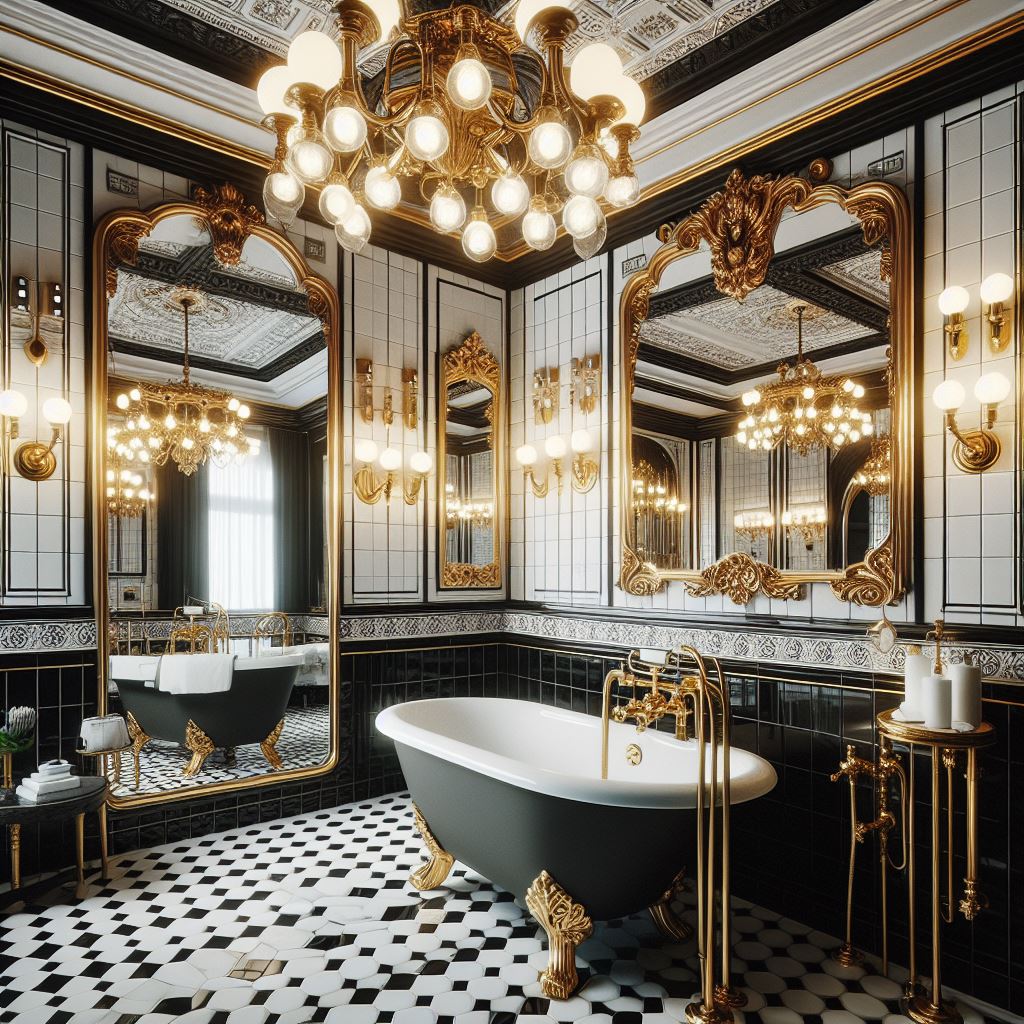
Art Deco
Art Deco is characterized by luxury, glamour, and geometric shapes.
Ornate detailing, including zigzags, chevrons, and sunburst motifs, is common.
The use of materials like chrome, glass, and mirrors adds a sense of opulence.
Symmetry and repetition are key design principles.
Furniture often features streamlined, elegant shapes with intricate detailing.
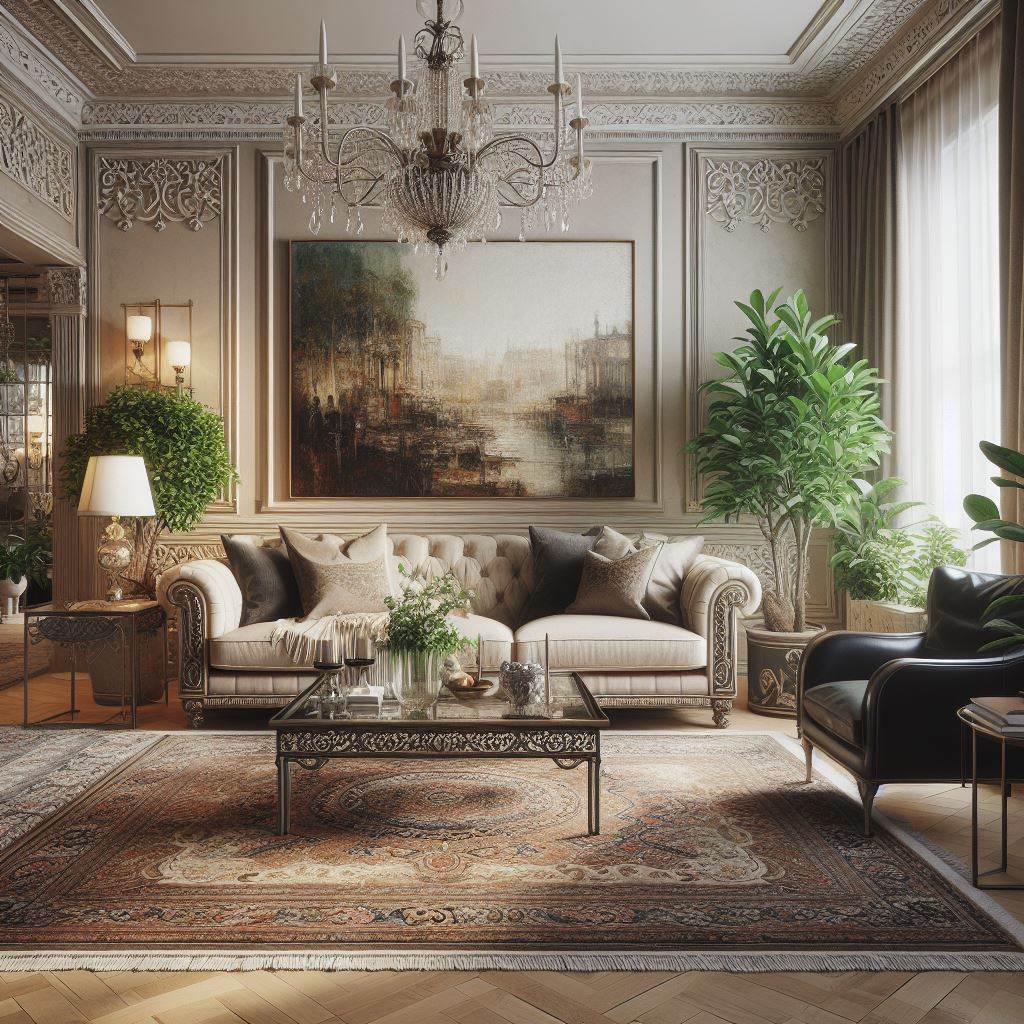
Traditional
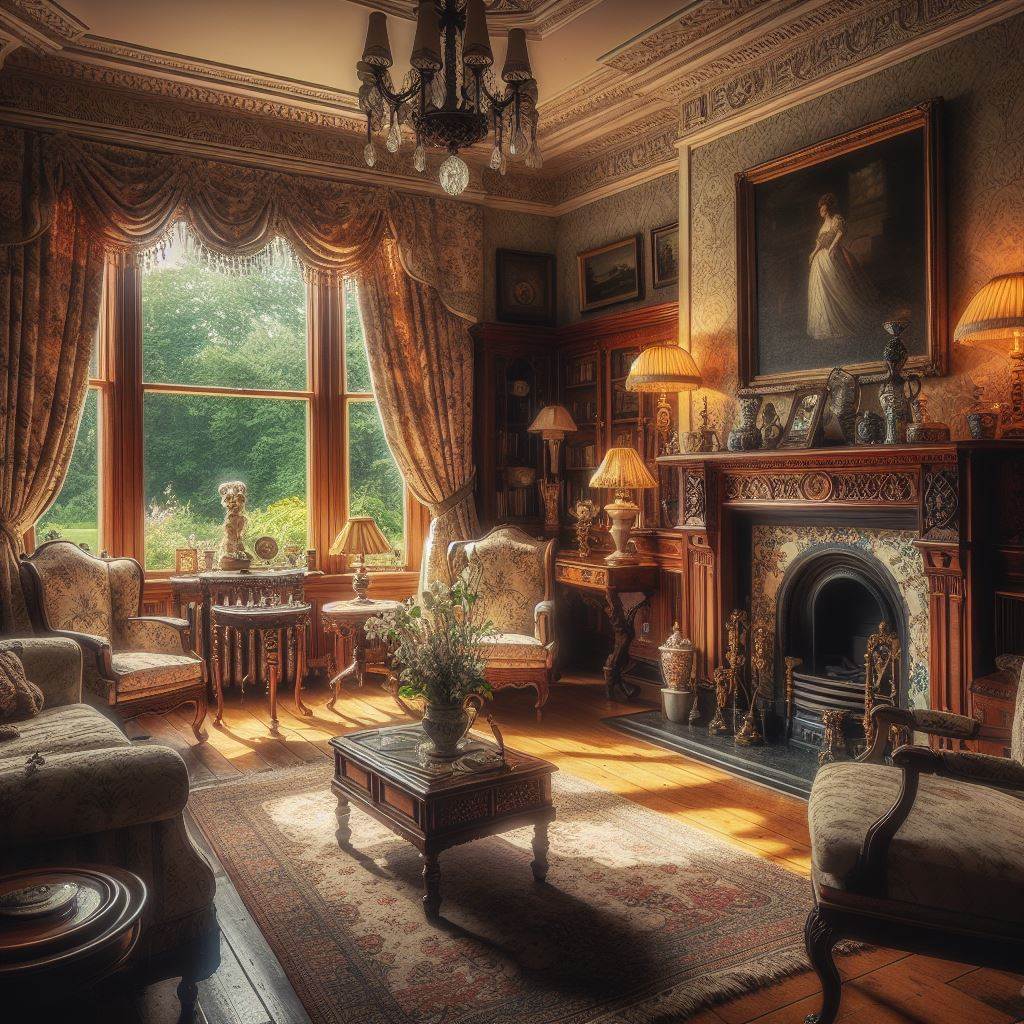
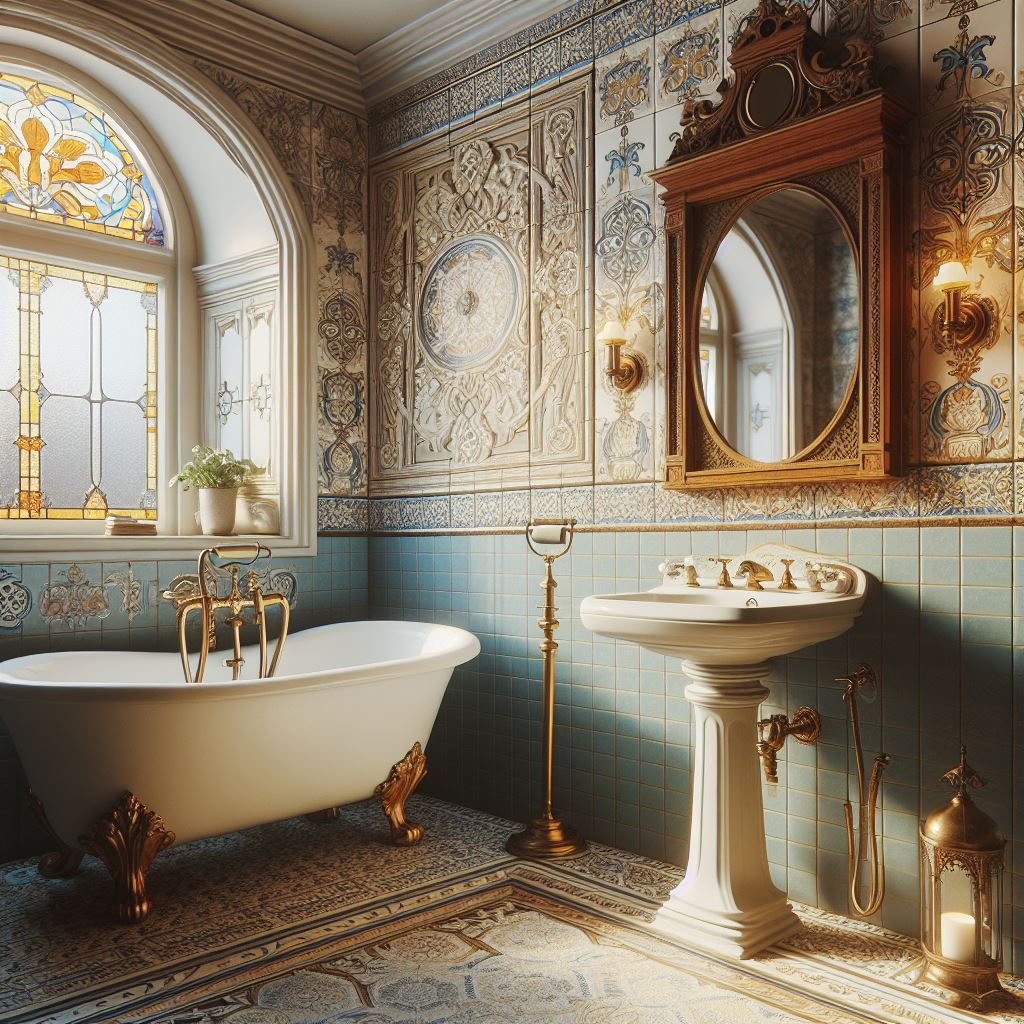
Rich, dark woods, ornate details, and symmetry are common. Formal furniture arrangements and a sense of elegance prevail.
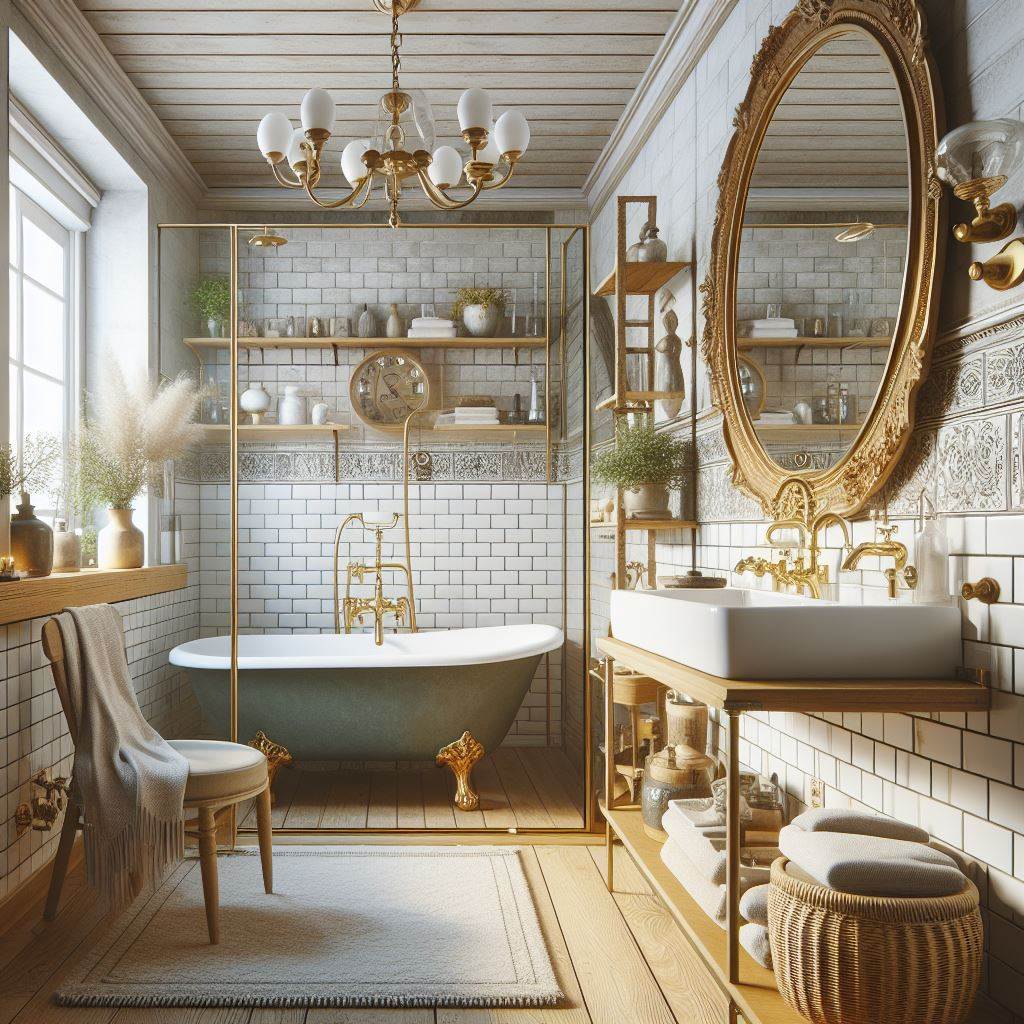
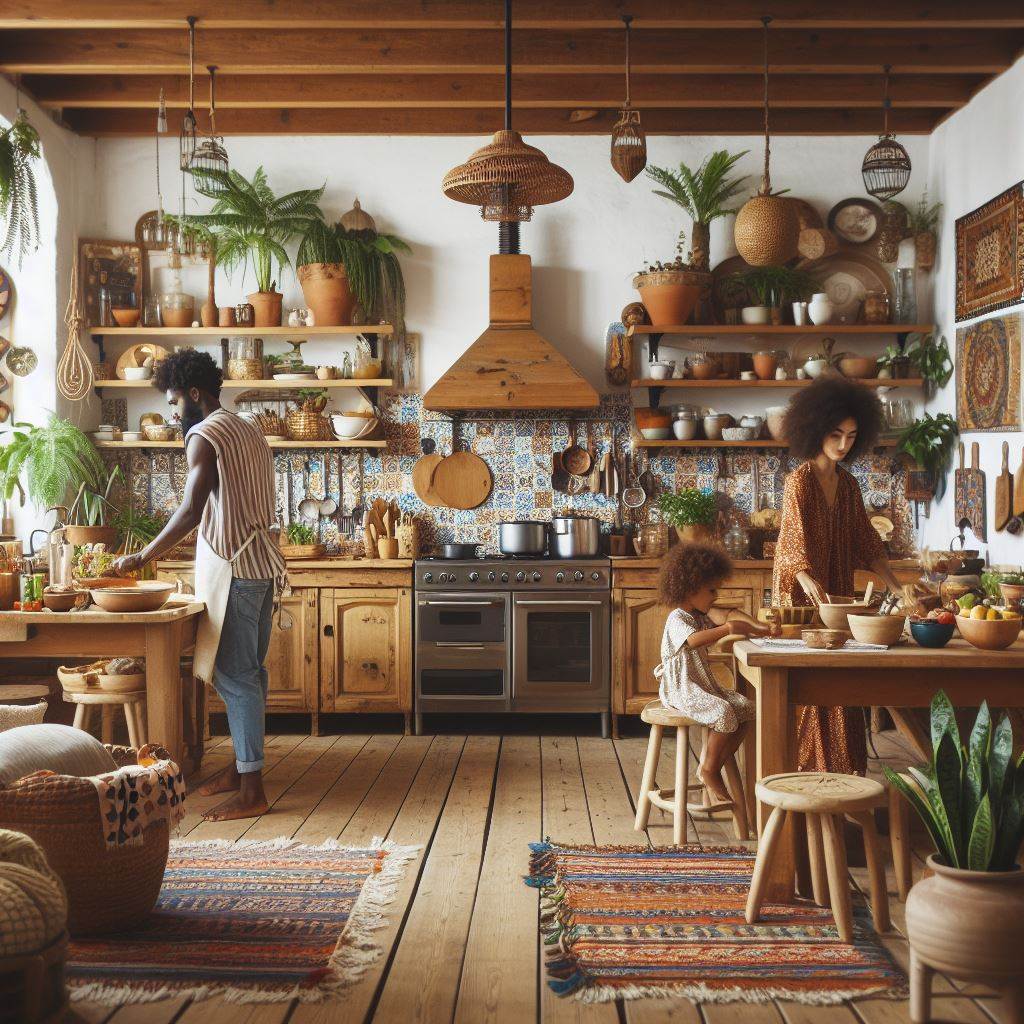
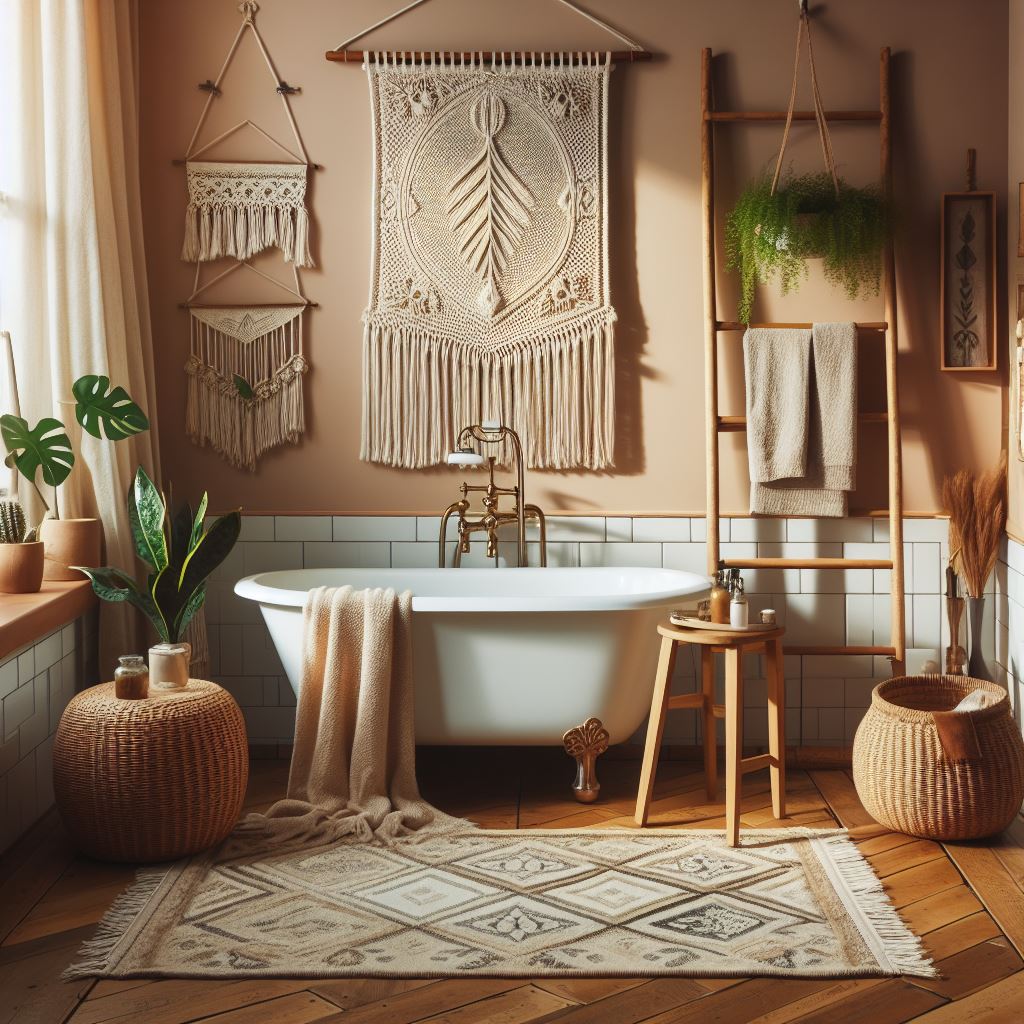
Boho-Chic
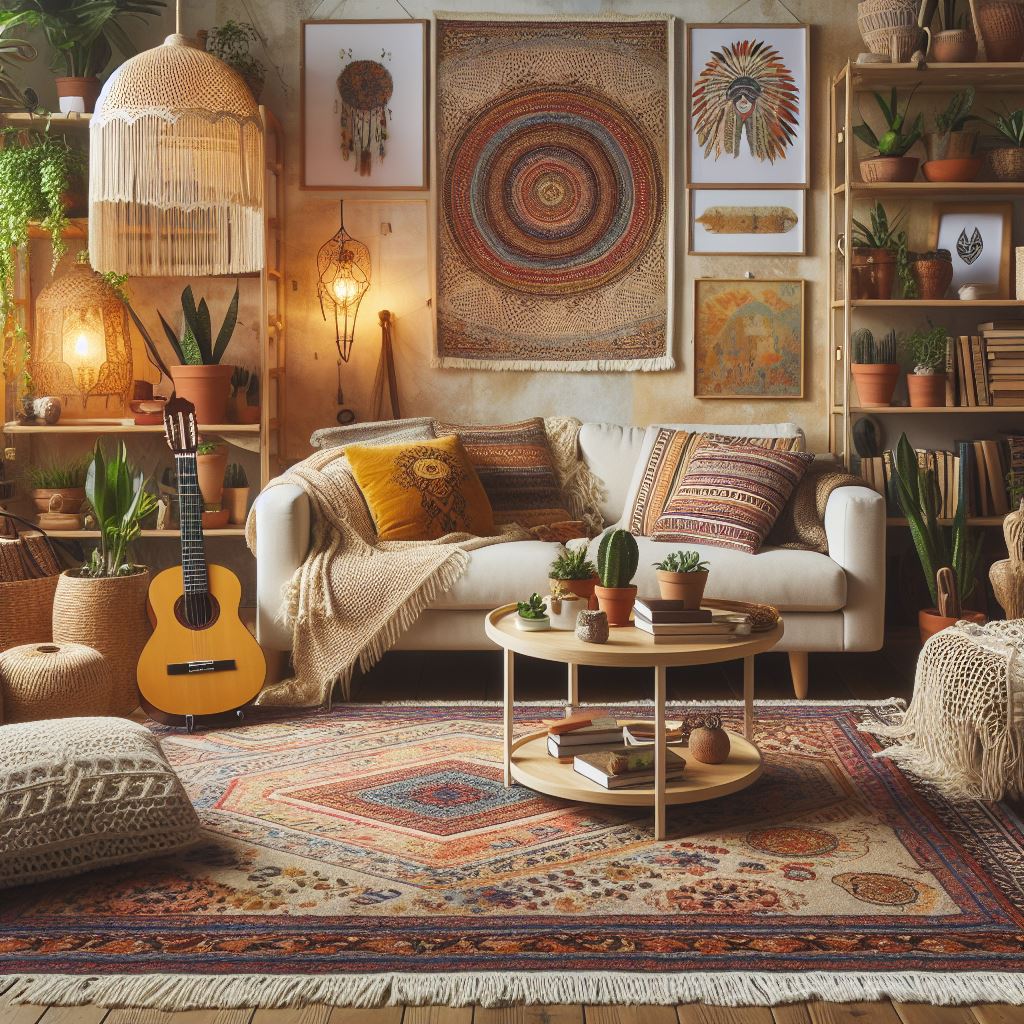
An eclectic and relaxed style with a mix of patterns, textures, and colors. Handcrafted and unique elements.
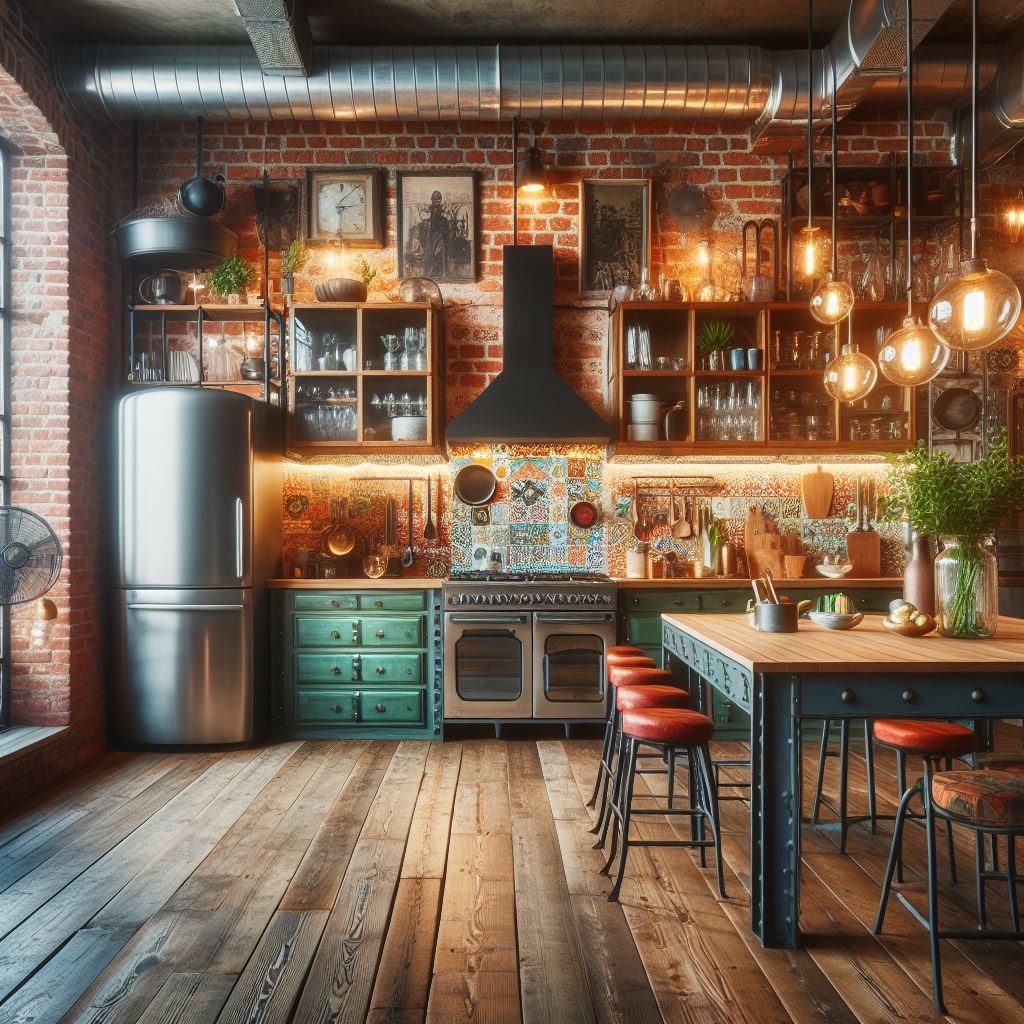
Eclectic
Involves a mix of styles and periods, combining elements from different design aesthetics. Balance and cohesion are achieved through careful curation.
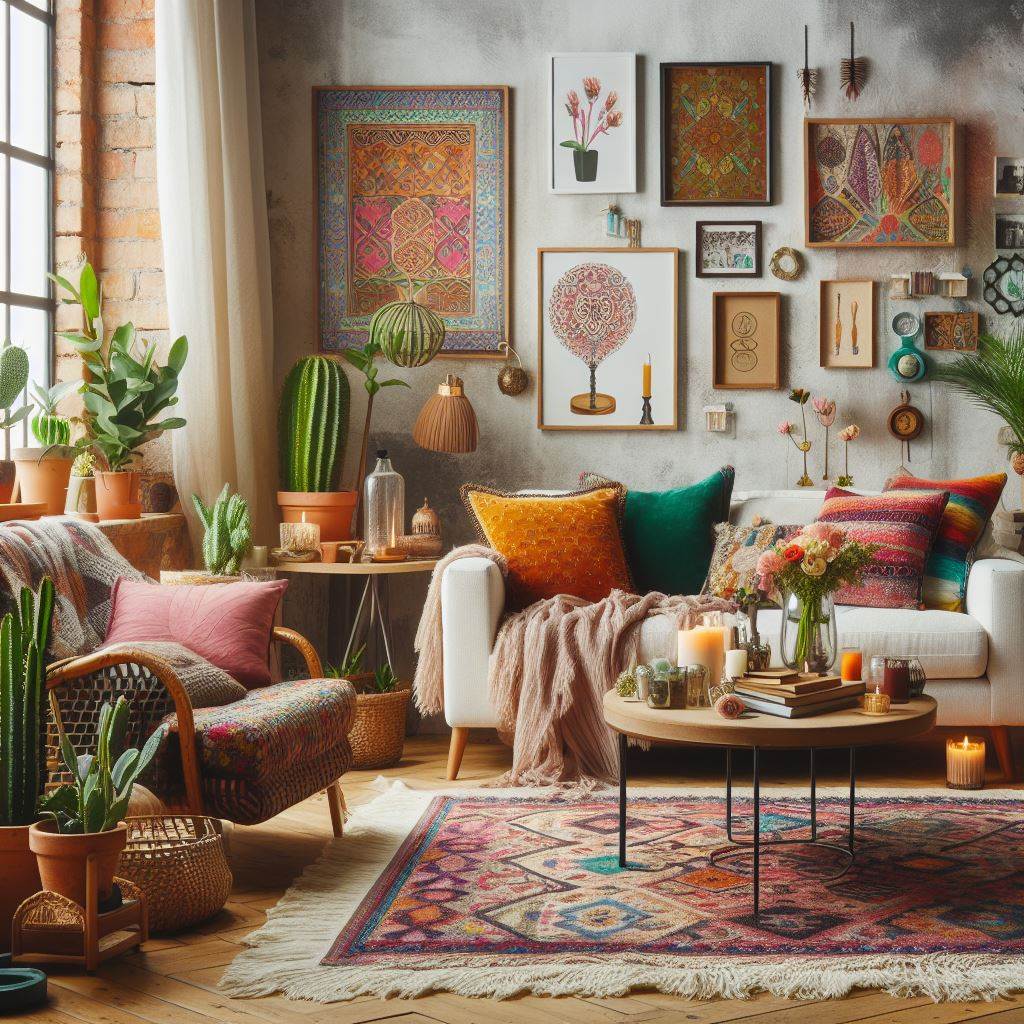
Bohemian
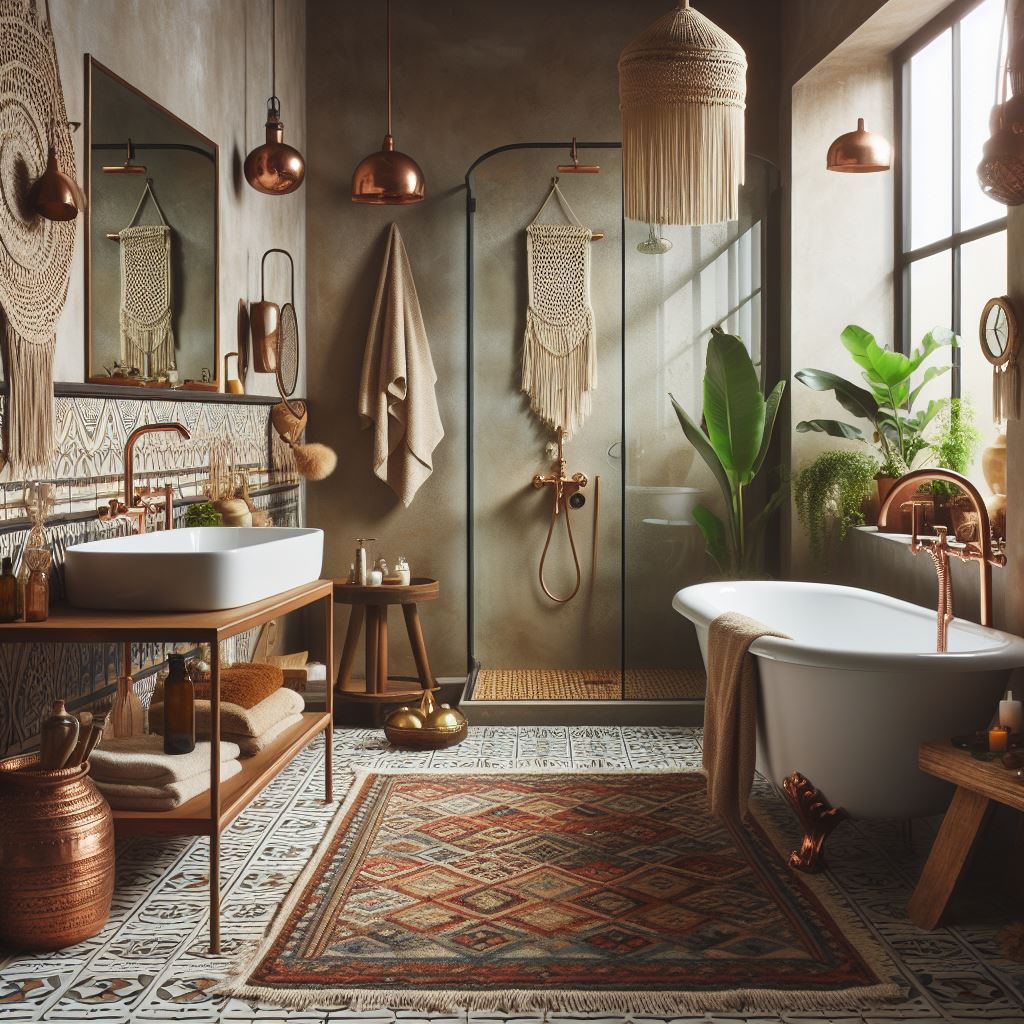
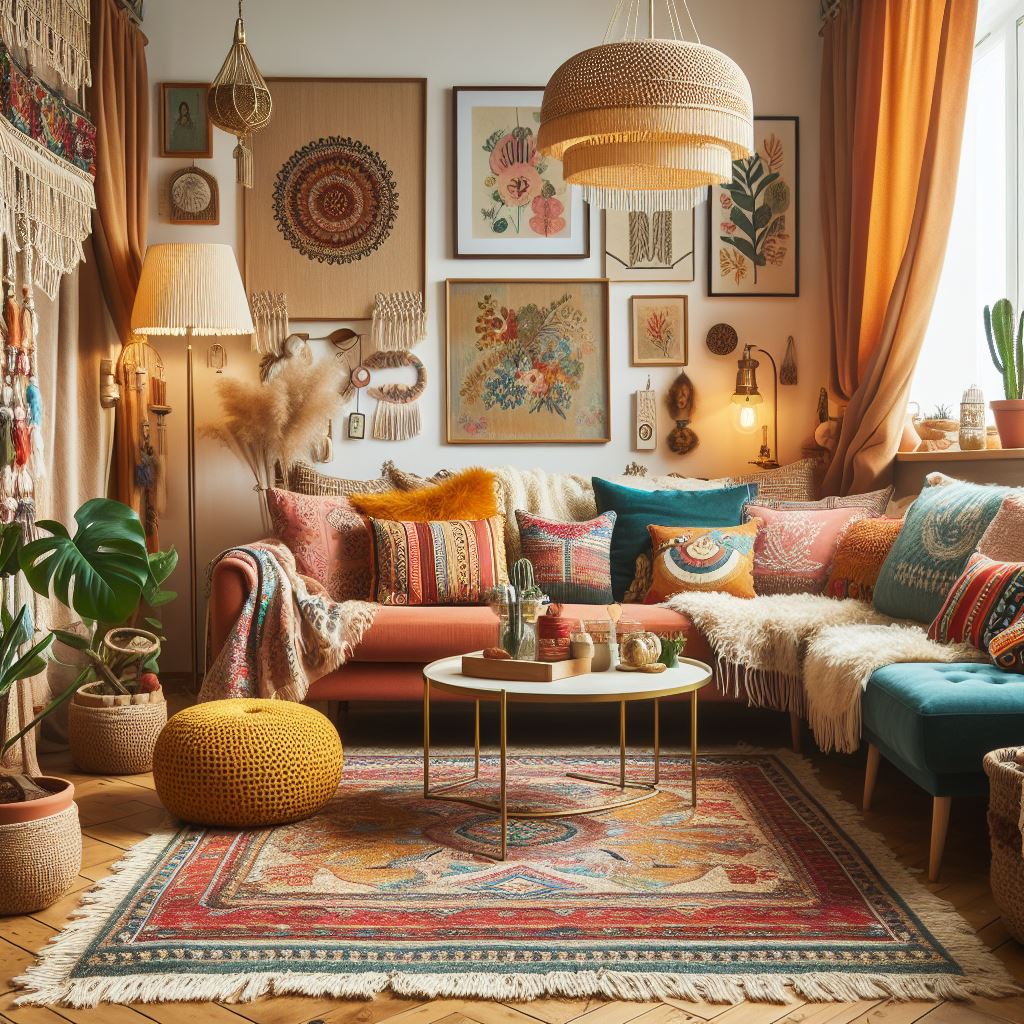
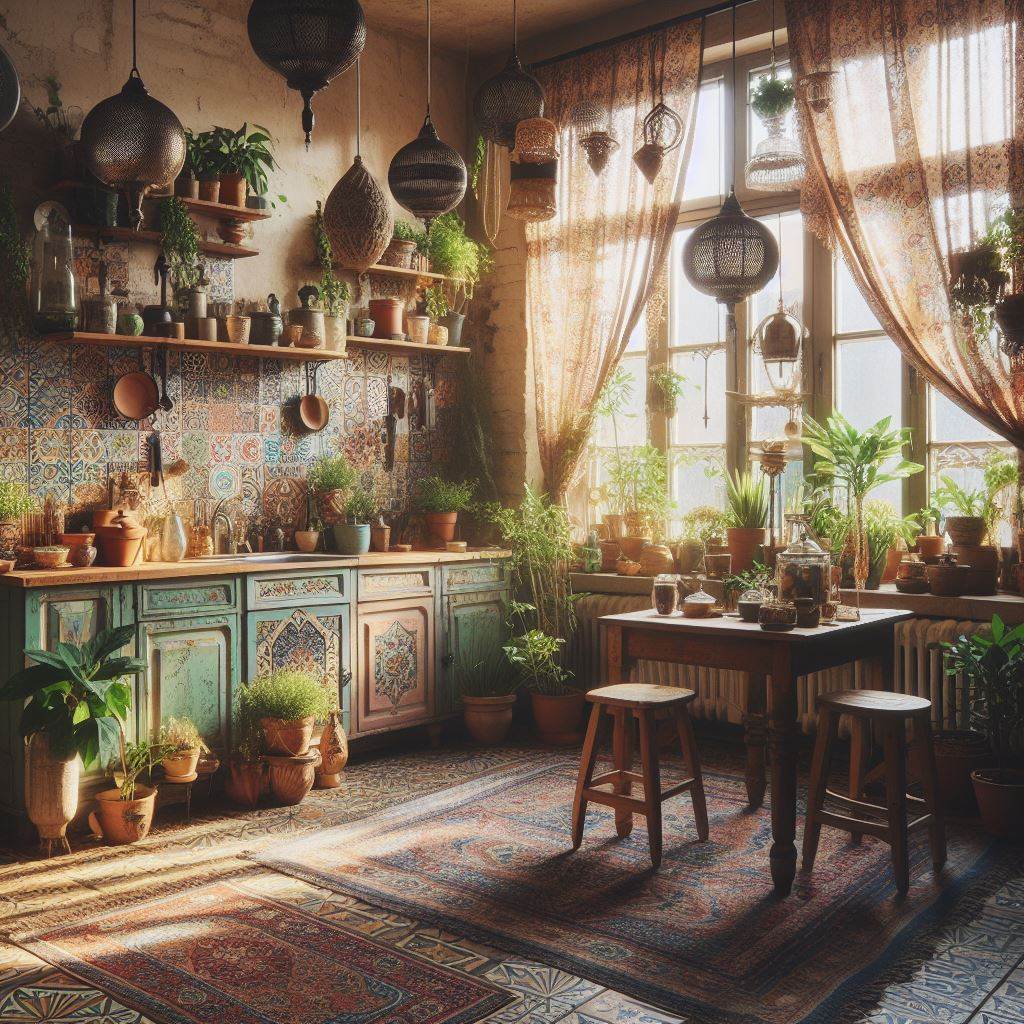
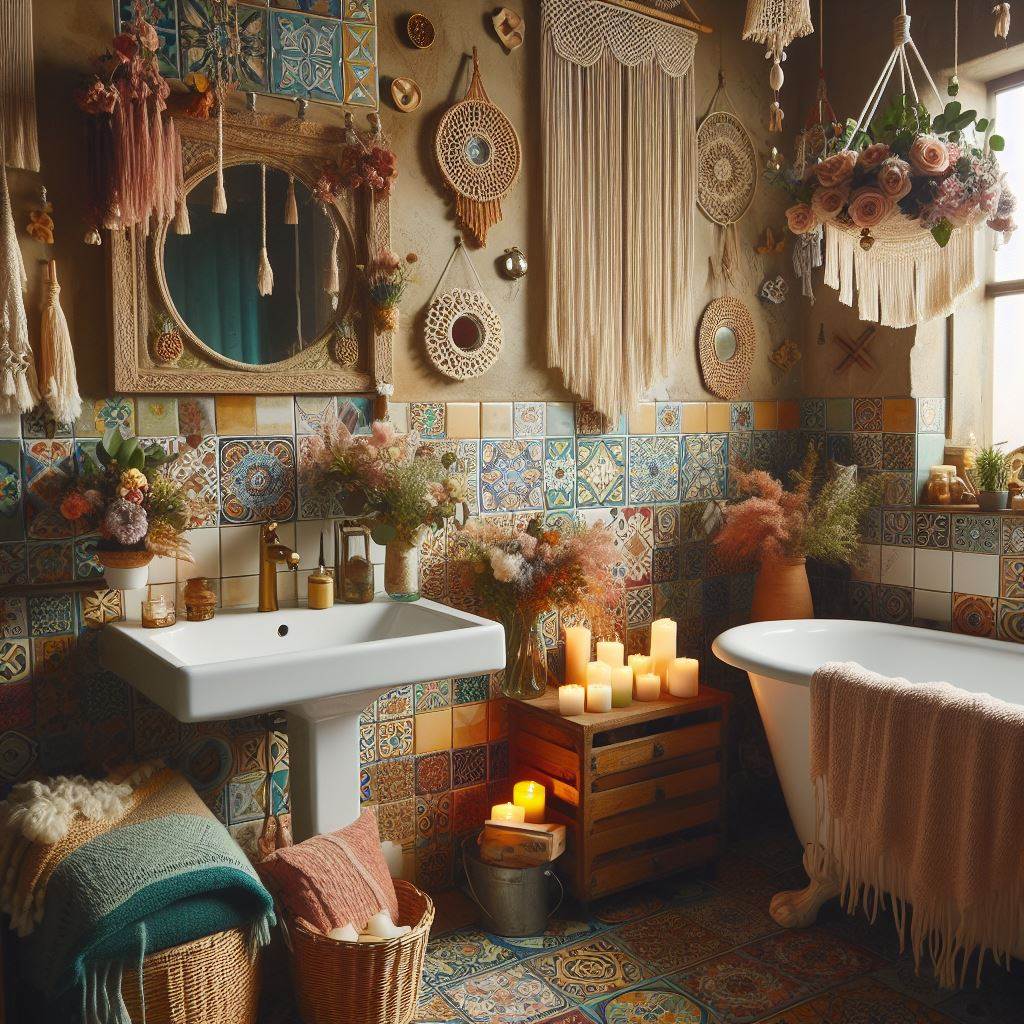
Bohemian, or boho, style is characterized by its eclectic and free-spirited nature.
Colors in bohemian design are often rich and vibrant, with patterns and textures playing a significant role.
Natural materials, such as wood and rattan, are commonly used, and there's a preference for handmade and unique items.
The overall look is laid-back and informal, creating a comfortable and inviting atmosphere.
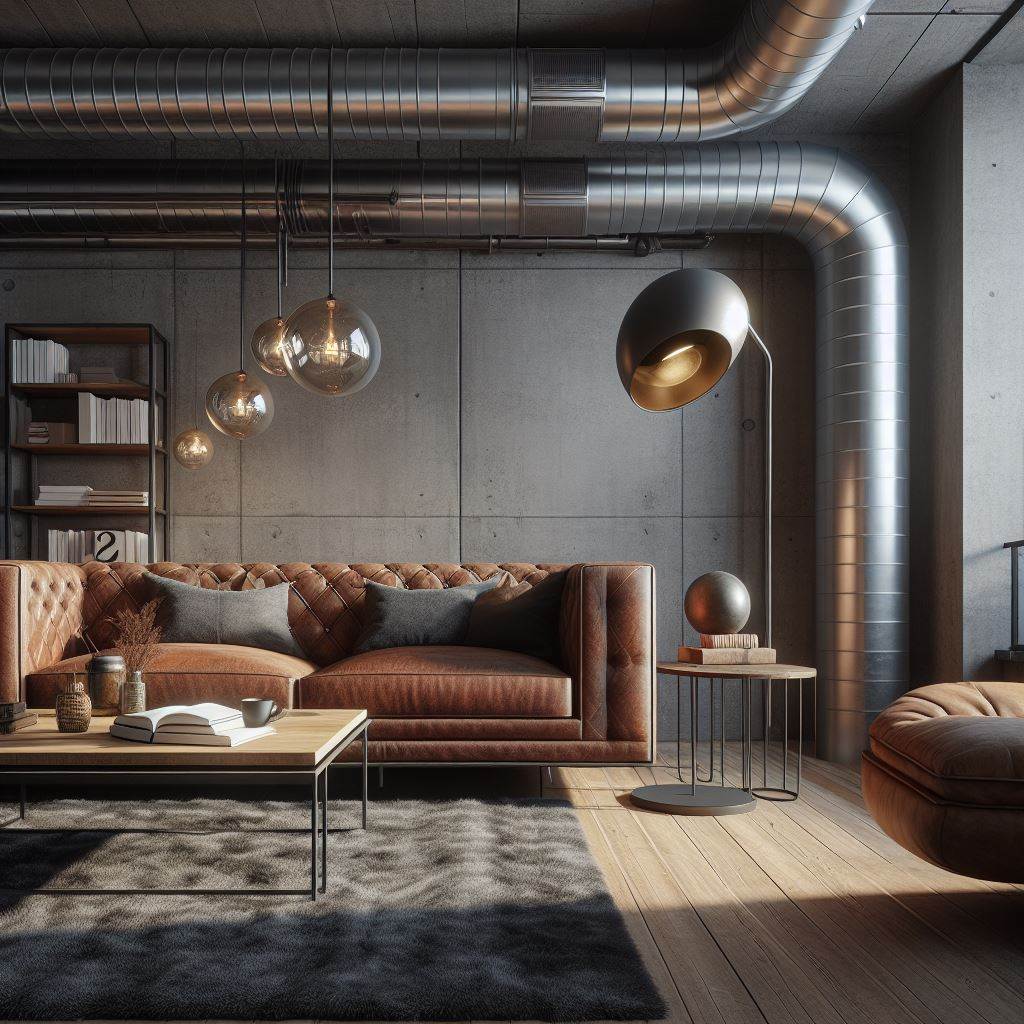
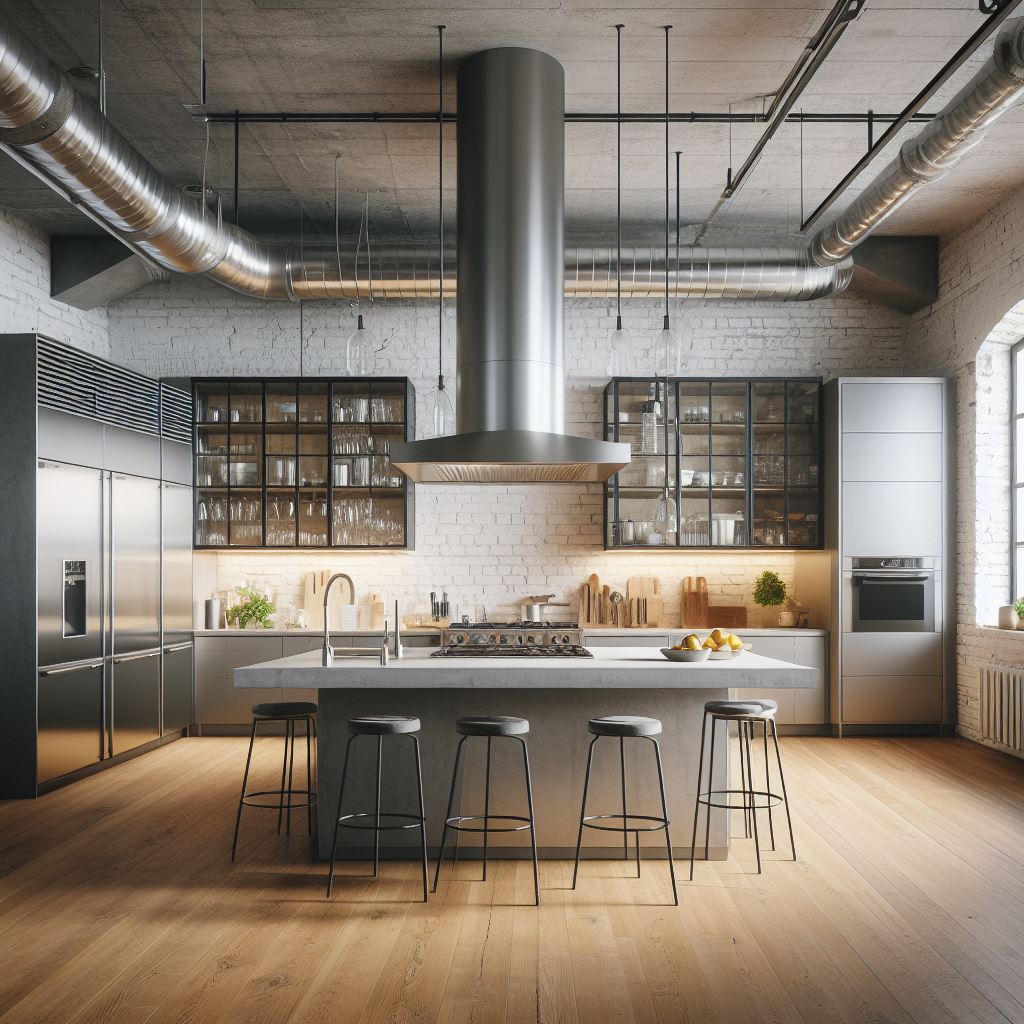
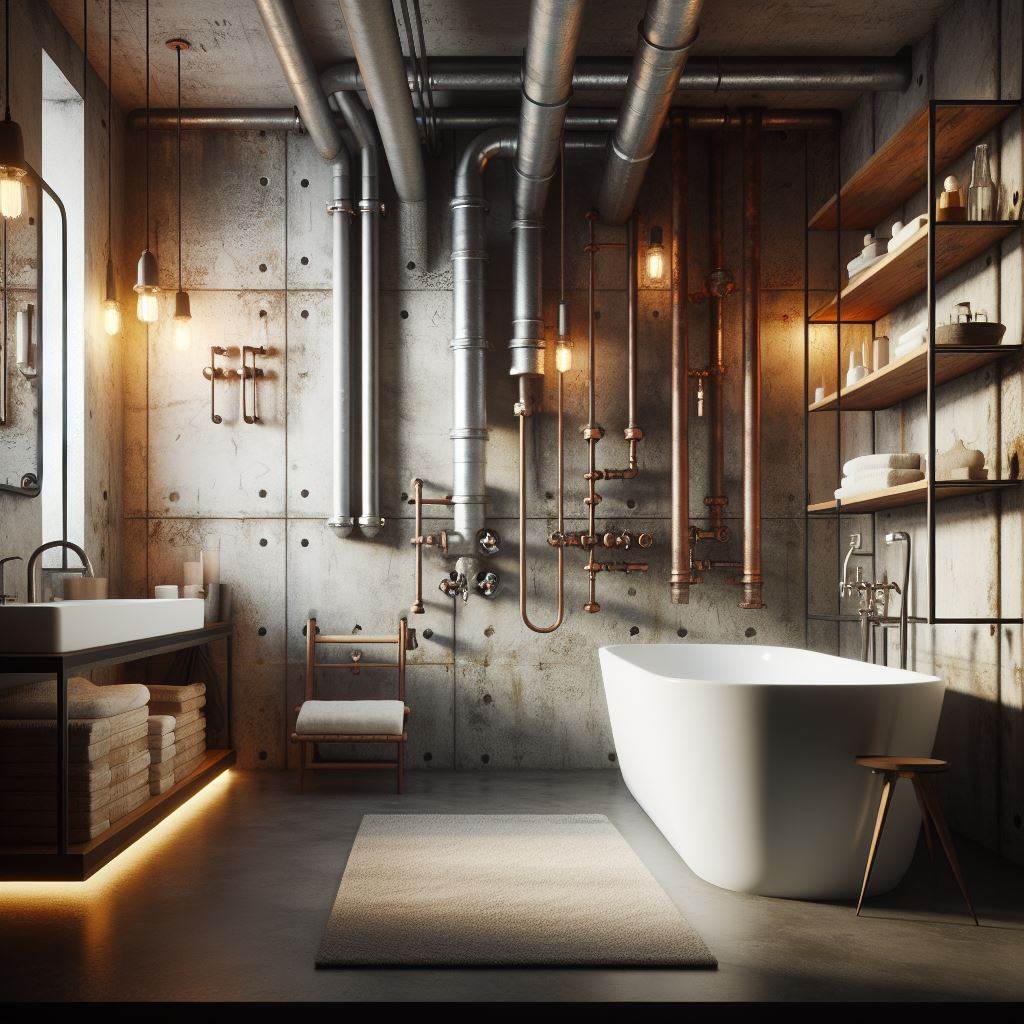
Industrial
Inspired by the utilitarian look of factories and warehouses, industrial design often features raw and unfinished materials.
Common materials include exposed brick, metal, concrete, and reclaimed wood.
Open spaces, high ceilings, and large windows are typical in industrial design.
Functional and practical furniture with a focus on simplicity and durability.
Overview
| Style Name | Color Palette | Materials | Other Characteristics |
|---|---|---|---|
| Scandinavian | Neutral tones, whites, light blues | Wood (light-colored), metal, textiles | Minimalism, functionality, clean lines |
| Bohemian | Rich and vibrant colors, earthy tones | Textiles, wood, rattan, metal | Eclectic, free-spirited, layered textures |
| Japandi | Neutral tones, muted colors | Wood, natural fibers, ceramics, metal | Fusion of Scandinavian and Japanese design, simplicity |
| Industrial | Neutral tones, grays, blacks, industrial hues | Metal, exposed brick, concrete, reclaimed wood | Raw and unfinished aesthetics, utilitarian |
| Mid-century Modern | Earth tones, bold and vibrant colors | Wood, plastic, metal, glass | Clean lines, organic shapes, retro influences |
| Art Deco | Bold and contrasting colors, jewel tones | Gold accents, marble, glass, lacquer | Glamorous, geometric patterns, opulence |
| Traditional | Rich and warm tones, deep colors | Dark woods, leather, silk, ornate details | Classic, formal, symmetry, intricate detailing |
| Contemporary | Neutral tones, bold accent colors | Glass, metal, concrete, innovative materials | Clean lines, simplicity, focus on current design trends |
| Modern | Neutral tones, bold accent colors | Steel, glass, concrete | Clean lines, open spaces, functional design |
| Minimalist | Neutral tones, whites, blacks, grays | Simple materials, often monochromatic | Simplicity, minimal clutter, emphasis on essential elements |
| Eclectic | Varied color palette, mix of patterns | Diverse materials and styles | Mix of elements from different styles, personal expression |
| Coastal/Nautical | Blues, whites, sandy tones | Wood, rattan, natural fibers | Light and breezy, nautical motifs, beach-inspired |
| Rustic/Farmhouse | Earthy tones, warm colors | Wood, distressed finishes, natural materials | Cozy, country-inspired, vintage elements |
| Transitional | Neutral tones, occasional pops of color | Mix of classic and modern materials | Balancing traditional and contemporary elements |
| Boho-Chic | Rich and vibrant colors, eclectic patterns | Textiles, wood, rattan, mixed materials | Free-spirited, layered textures, bohemian influence |
| Mediterranean | Warm colors, earthy tones | Terracotta, wrought iron, wood | Coastal influences, rustic and inviting |